Articles
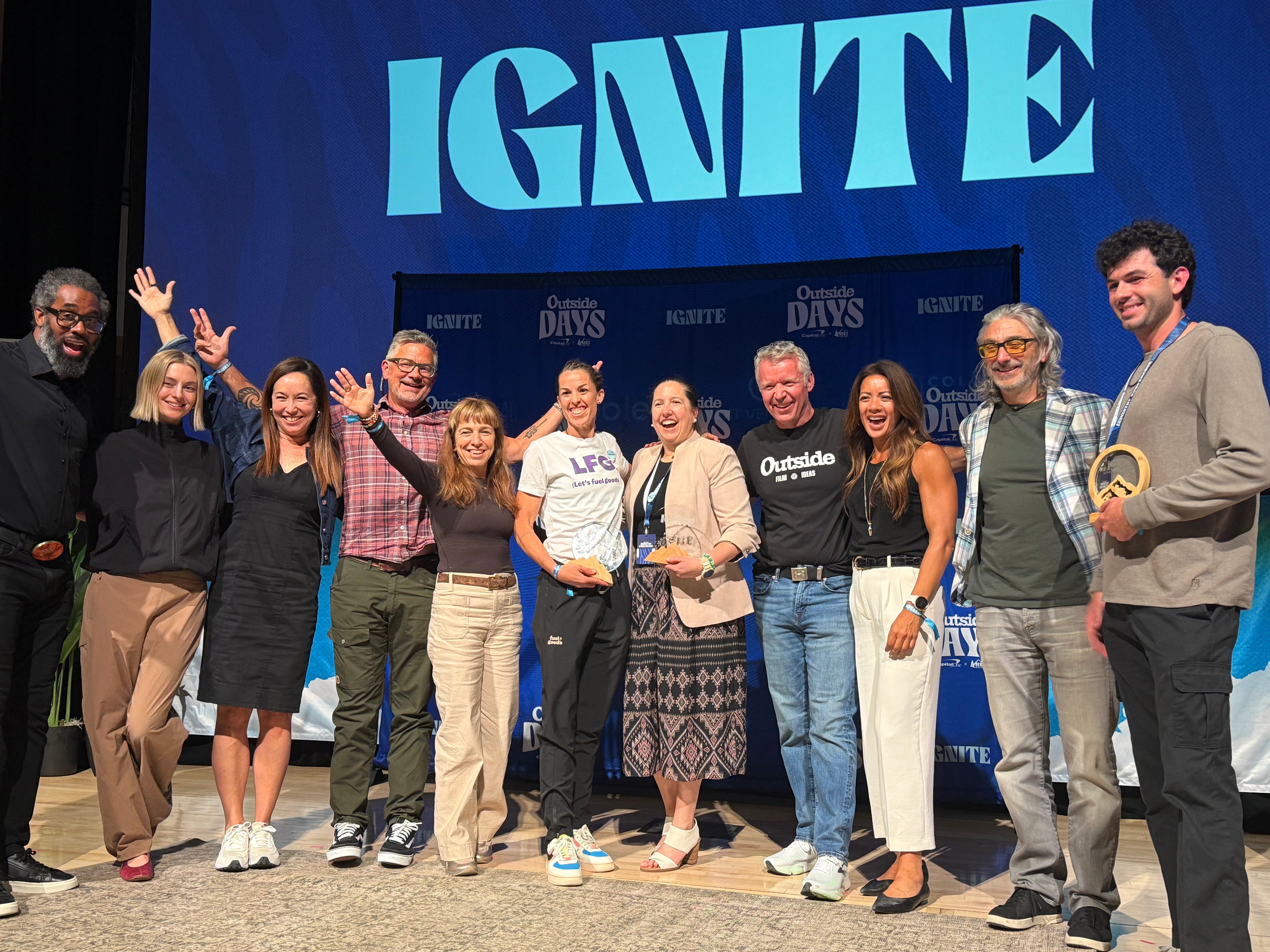

Hillary Allen Made a Fuel
We don’t sponsor many athletes. So when we do, it’s because we really, really believe in the person. Hillary Allen is one of those people. She’s an elite ultra endurance athlete, a Fuel Goods athlete, and someone who knows exactly what long days demand from your body. Meet the Hillary Allen Special Edition Endurance Mix This is a 10-serving bag of Flow Formulas Endurance Mix in white peach, inspired by the Palisade peaches grown along Colorado’s Western Slope. It's fresh. It's bright. It's clean. It's very much not “mystery sports drink from the bottom shelf of a gas station.” It uses a 1:0.8 glucose-to-fructose ratio to support high carbohydrate absorption. Which is helpful when you’re deep into a long effort and would prefer your gut not start filing complaints. TL;DR: it’s built for the big days. The long runs. The mountain missions. The rides that accidentally become character development. The workouts where your watch says “productive,” but your soul says “please be serious.” The part we want to say out loud Flow Formulas is female-founded. Fuel Goods is female-founded. Hillary is a badass female athlete. So yes, this one feels personal. Not because we needed a cute collab moment. Because the product is good, the people behind it care, and Hillary helped build something she’d actually use. That’s the kind of athlete collaboration we can get behind. And it’s why Fuel Goods gets to be the first place you can buy it. The Hillary Allen Special Edition Endurance Mix is exclusively available through Fuel Goods for a limited window before it goes into wider distribution. If you want it before everyone else has it, that window is now. Here’s to women fueling women. Literally, with carbs. Figuratively, with belief, guts, and the kind of collaborations that make this sport better. We’re proud to help bring this one into the world. And even prouder that you get first dibs. Click HERE to get yours now. Fuel On, Laura and Courteney
Learn more
High Carb Drink Mix vs. Standard Hydration: What You Actually Need and When
The honest guide for athletes who are tired of guessing. You've seen the term "high carb" everywhere lately. On race recaps, in training groups, on the shelves of Fuel Goods. And if you've spent any time in an endurance community in the last few years, someone has probably told you to "drink your calories." But here's the part that usually gets skipped over: not every run, ride, or race needs the same fuel. Using a high carb drink mix on a 45-minute tempo run is like showing up to a Tuesday night dinner with a full catering spread. Overkill. Possibly uncomfortable. Almost definitely unnecessary. This guide breaks down exactly what high carb and standard hydration mixes are, when each one belongs in your bottle, and how to think about the decision for your specific distance and pace. No jargon, no oversimplification. Just the stuff that actually helps you fuel better. First, let's clarify the difference Standard hydration mix is designed to replace the electrolytes — primarily sodium — you lose in sweat, with a modest amount of carbohydrates to support energy and improve fluid absorption. A typical serving delivers around 20g of carbs and 80 calories. It's light, easy to drink, and intended to work alongside the food you eat — gels, chews, bars — not replace it. High carb drink mix is a different tool entirely. It's built around complex carbohydrates that deliver a large amount of energy in a gut-friendly way — designed to break down steadily rather than spike and crash. Depending on the product, a single serving typically delivers 50–100g of carbohydrates and 200–400 calories. The goal is concentrated liquid fuel for efforts where solid food becomes impractical, inaccessible, or just really unappealing at mile 18. The key distinction: standard hydration keeps you topped up. High carb is doing the heavy lifting when your glycogen stores are under serious pressure. The carb math your body actually cares about Here's the number that changes how you think about fueling: most endurance athletes need between 60 and 90 grams of carbohydrates per hour during sustained, hard efforts. Some elite-level athletes push 90–120g/hr — but getting there requires deliberate gut training over weeks. For context, 60g/hr is roughly two standard energy gels per hour. 90g/hr starts to require a mix of sources — which is where liquid carbs become genuinely useful. Your gut can only absorb about 60g of glucose per hour through one transport pathway. To get beyond that threshold, you need a second type of carbohydrate (fructose) that uses a completely separate pathway. High quality high carb mixes — including Skratch Super High-Carb — use both, which is how you get to higher absorption rates without the traffic jam that causes GI distress. The practical upshot: a high carb drink mix isn't just "more carbs." It's a smarter delivery system for when your body needs a lot of fuel fast. When to use standard hydration Standard hydration mix is your everyday workhorse. It earns its place in your bottle for: Efforts under 90 minutes. For shorter runs, rides, or swims, your glycogen stores are largely sufficient. You don't need to replace a lot of calories mid-effort — but you do need to replace sodium and fluid, especially in heat. Standard hydration handles this perfectly without any risk of gut issues. Easy and moderate training days. Long slow distance runs, zone 2 rides, recovery sessions. Your body is working aerobically and burning fat alongside carbs. You don't need the firepower of high carb mix — you just need to stay hydrated and keep electrolytes balanced. Any effort where you're eating real food. If you have a crew, aid stations with solid food, or pockets full of bars and chews, standard hydration paired with solid fuel is a completely viable strategy. Many athletes do their best long runs this way. Hot weather, high sweat rate days. On days when you're sweating heavily, you may actually need more sodium than carbs. Standard hydration mix — with its sodium-forward formula — is built exactly for this. You can always supplement calories separately. When to use high carb drink mix High carb mix earns its place when the fueling demand goes up and the practical ability to eat solid food goes down. Specifically: Long efforts over 90 minutes at race effort. This is the core use case. Once you're pushing hard for longer than 90 minutes, your glycogen stores are under real pressure. Getting 50–90g of carbs per hour from solid food alone — gels, chews, bars — is entirely doable, but requires a lot of unwrapping and chewing when you're breathing hard. Liquid carbs remove the friction. Half marathons (for faster runners) and full marathons. For a half marathoner running under 2 hours, high carb is worth considering — you're working hard enough that fuel is a genuine limiter and there are limited opportunities to eat at race pace. For full marathons, it becomes even more relevant. The longer you're out there, the more important it is to hit your carb targets consistently, and the harder solid food becomes to stomach as fatigue builds. Cycling and triathlon. This is where high carb drink mix has been used longest and is most established. Cyclists have the advantage of being able to carry bottles without the jostling of running, and the ability to consume more fluid per hour. During an Ironman bike leg, athletes commonly fuel almost entirely via liquid carbs — it's just easier to execute at 20mph than reaching for a bar. Triathletes in particular benefit from liquid fueling on the bike so they head into the run with a stocked glycogen supply rather than trying to catch up once they're on their feet. When chewing is simply not happening. There's a point in every long race where the idea of eating something solid is physically unappealing. This isn't weakness — it's physiology. Your gut is under stress, your digestive system has slowed, and your body has made clear it is not interested in a waffle. High carb drink mix is built for exactly this moment. In combination with standard hydration. This is an underused strategy: mix your High-Carb with a scoop of standard Sport Hydration Mix to simultaneously hit your carb targets and get a bigger sodium hit. Especially useful for saltier sweaters or hot race days where you need more of both. A practical guide by distance Half marathon (13.1 miles) Target: 30–60g of carbs per hour, depending on pace and finish time. For most runners, a combination of standard hydration mix and 2–3 gels per hour covers this comfortably. Faster runners (under 1:45) may benefit from adding a single-serving High-Carb packet in the bottle for a more seamless fueling experience with fewer mid-race unwrapping moments. Start fueling earlier than feels necessary — around 20–25 minutes in — and don't wait until you're hungry. Full marathon (26.2 miles) Target: 60–90g of carbs per hour. This is the sweet spot for high carb drink mix. At marathon pace, you're working hard enough that a deliberate fueling strategy matters, and the back half of the race is where fueling decisions made in the first half show up. A single-serving High-Carb packet per hour, paired with gels or chews for additional carbs and a separate bottle of standard hydration for electrolytes, is a solid starting framework. Practice this in training — your long runs are your laboratory. Cycling (2+ hours) Target: 60–90g of carbs per hour, up to 120g for high-intensity efforts. Liquid fueling is at home here. A full serving of High-Carb (100g of carbs) in one bottle, with a second bottle of standard hydration for electrolytes and additional fluid, covers most training rides. For racing or big climbing days, scale up accordingly. The key advantage on the bike is that you can carry more fluid and drink it without breaking stride. Triathlon Target: varies by leg, but build your carb reserves on the bike. The triathlon-specific rule: don't save your fueling for the run. Fuel aggressively on the bike — liquid carbs are easiest to execute at that stage — so you hit the run with glycogen stores that haven't been depleted. High carb on the bike, lighter fueling strategy on the run. Standard hydration throughout. Gut training: the thing nobody wants to talk about Here's the honest caveat: if you're new to high carb fueling, don't start on race day. Your gut is trainable — meaning it can adapt over weeks to absorb and process more carbohydrates during exercise — but it needs time and repetition. A sensible progression: Start with 30–40g of carbs per hour and add 10–15g every few long efforts. Give yourself several weeks to move from 40g to 60g, and more time still to get to 75–90g. Practice at race effort — your gut behaves very differently at easy pace than at the intensity you'll actually be racing. And use the same products you plan to race with. Surprises on race day are not the fun kind. The reward for doing this work: a reliable fueling strategy that holds up when it matters most. How to mix high carb drink mix (and avoid the lumps) One thing high carb mixes are honest about: they take a little more effort to mix than standard hydration. The complex carbohydrate molecules are larger and don't dissolve instantly — but a little technique goes a long way. The move: add your powder to a dry bottle first. Add 4–5 oz of water and shake hard. Then add the remaining water and shake again. For best results, let it sit for 15 minutes before drinking — this gives the powder time to fully hydrate. Pre-mixing the night before and refrigerating works exceptionally well and is a trick Courteney swears by. The short version Use standard hydration for efforts under 90 minutes, easy training days, and anytime you're eating solid food alongside it. Reach for high carb drink mix when you're going long and hard, when chewing solid food feels optional or impossible, and when you need to consistently hit 60g+ of carbs per hour without the logistics of unwrapping gels in the rain at mile 19. They're not competitors. They're tools. And knowing which one your day calls for is half the battle. You’ve got this and we’ve got you! Not sure where to start? The High Carb Sample Bundle lets you try a few options before committing to a full bag. Your long run, your call.
Learn more
The Thing in the Fancy Box: Maurten BiCarb, Explained for the Rest of Us
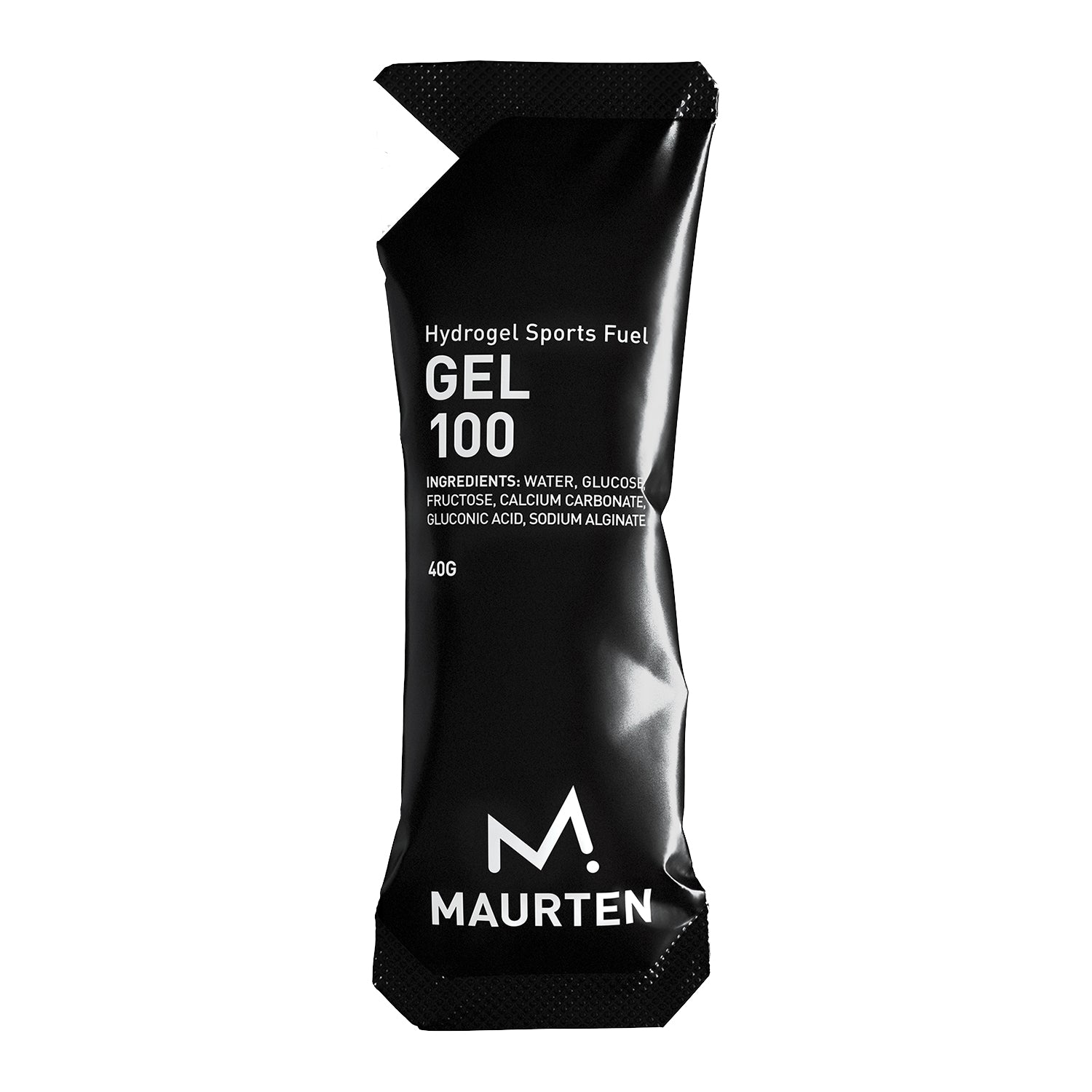
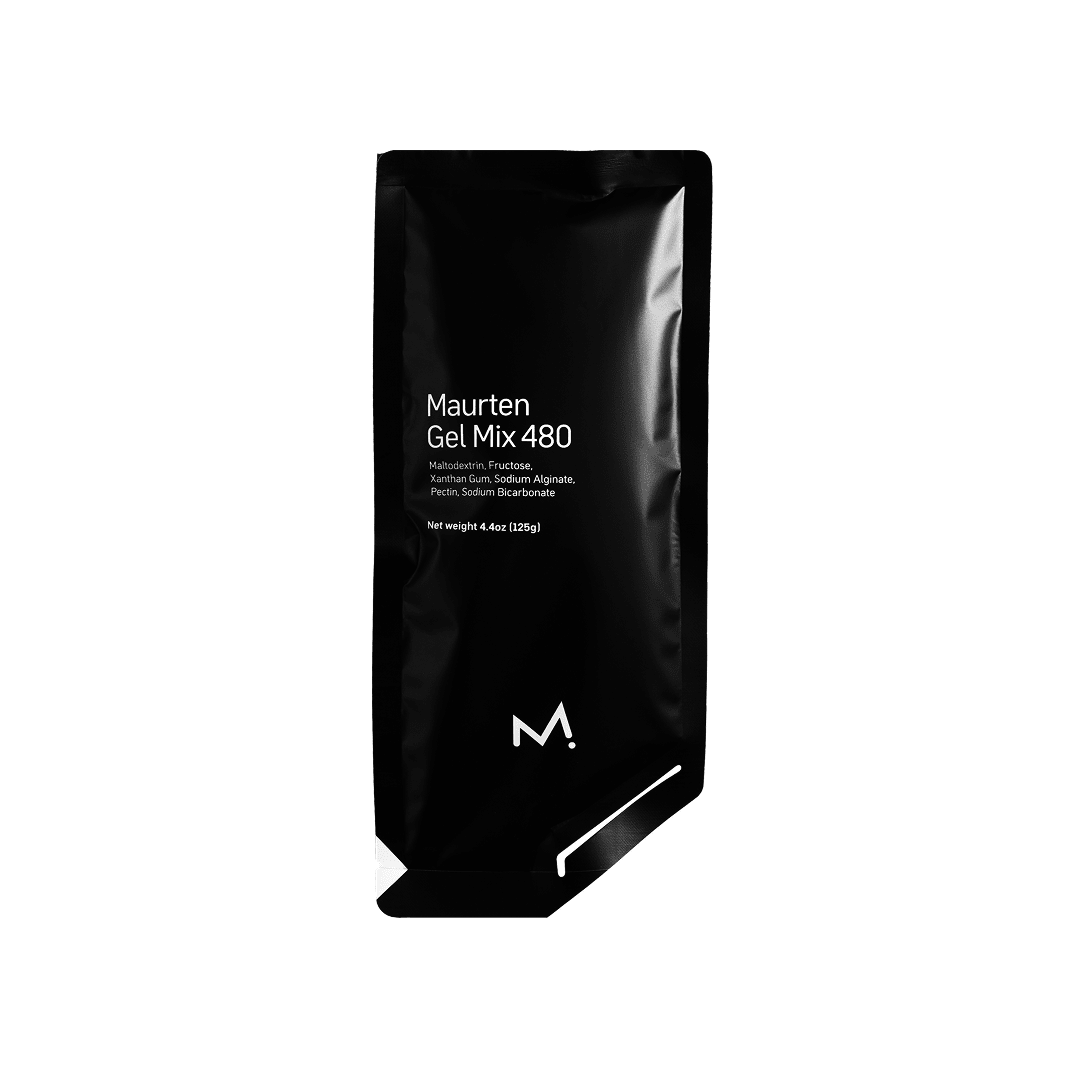
You've seen elites use it. You've wondered if it's for you. Here's the honest answer. Let's address the elephant in the room: Maurten BiCarb looks like a science experiment. There's a mixing bowl. There are components labeled A, B, and C. There's a QR code that leads to a "Digital System." It's a lot. But here's what it actually is: baking soda. Very fancy, very well-engineered baking soda — designed to help your muscles keep working when your pace tells them to stop. If you've got a marathon on the calendar and you've been curious about BiCarb, this is the no-jargon breakdown you didn't know you needed. First, what's actually happening to your legs at mile 20 You know that burning, heavy, "my legs have left the building" feeling late in a race? Conventional wisdom blamed lactic acid. The real culprit is hydrogen ions — a byproduct of your muscles working anaerobically (a.k.a. going hard without enough oxygen). Those ions make your muscles increasingly acidic, which overwhelms your system and leads to the slowdown. Sodium bicarbonate — the active ingredient in BiCarb — is alkaline. It neutralizes that acid buildup, buffering your muscles against the rising acidity so they can keep firing a little longer and a little harder. It's been used in sports science research for decades. In fact, early studies date back to over 100 years ago. The catch has always been the side effects: traditional bicarb loading (think: raw powder or capsules) is notoriously hard on the gut. Cramping, bloating, and worse — usually right when you need to be focused on mile 22, not a porta potty. So what did Maurten actually solve? Maurten applied the same hydrogel technology behind their gels and drink mixes to bicarbonate. The BiCarb is encapsulated in a hydrogel that delays its reaction with stomach acid, carrying it further into the digestive system before it's absorbed. Less surface-area reaction in the stomach = significantly reduced GI distress. The result: you get the buffering benefits without the gamble. It's still bicarb. It's just bicarb that's been wrapped in a delivery system designed to actually work inside a human body during a race. The system includes three components — a mixing bowl (A), the hydrogel powder (B), and the bicarbonate mini-tablets (C) — plus access to a personalized digital protocol based on your body weight and experience level. Does it actually work for a mid-pack marathoner? Here's the honest answer: the research on BiCarb is strongest for shorter, high-intensity events lasting 45 seconds to about 8 minutes — think 800m to 5K. For the marathon specifically, the evidence is less clear-cut than the marketing would suggest. That said? You don't have to be Sabastian Sawe to find value in it. Though for reference: Sawe used the Maurten BiCarb System on his way to running the first sub-two-hour marathon at London 2026. So it's not nothing. For a mid-to-back-of-pack marathoner, the case for BiCarb is this: the final miles of a marathon are often run at a pace where your body is working hard enough to accumulate that acid buildup. Anything that helps buffer that — even marginally — is worth understanding. And at minimum, the 30–40g of carbohydrates in the hydrogel itself isn't a bad pre-race fuel addition. The cardinal rule: train with it before you race with it. Never introduce anything new on race day. How to actually use it: the mid-pack marathoner's protocol Here's where the instructions on the box get a little vague. Let's make it practical. The night before Keep dinner normal — familiar carbs, nothing heavy, nothing that's going to make you nervous in the morning. This is not the night to experiment with the pasta special at the hotel restaurant. Race morning: 2–3 hours before your start time Eat a light, carbohydrate-forward meal. Simple is better. The London Marathon winner's pre-race meal? Two pieces of toast with honey. Not a stack of pancakes. Not a five-egg scramble. Toast and honey. If it's good enough for a world record, it's good enough for your BQ attempt. The goal is to top off your glycogen stores without anything sitting heavy in your stomach when BiCarb kicks in. 90 minutes before your start time This is your BiCarb window. Here's why: BiCarb needs time to be absorbed and reach peak blood concentration. Maurten recommends 90 minutes before your race — and that window matters. Too early and the benefits fade; too late and you're absorbing it while you're already running, which increases GI risk. Mixing instructions: Add 200ml of cold water to the mixing bowl, Component A. Add the hydrogel powder, Component B, and shake for 15 seconds. Let it stand for a few minutes. Add the bicarbonate mini-tablets, Component C, and stir gently. Eat the contents immediately — don't chew, just swallow. It has a neutral taste with a slight sweetness. The texture is a clear, slightly thick gel with small tablets. Think: a Maurten gel, but with more going on. Important: pair it with carbs BiCarb should be taken with 30–40g of carbohydrates. This isn't optional — the carbs help with absorption and reduce the likelihood of stomach discomfort. The hydrogel in the system already contains carbohydrates, so you're already partially covered, but pairing it with your pre-race breakfast carbs is the move. On the bus / walk to the start Sip water normally. Don't overdrink. Stay calm. The BiCarb is doing its work. What to stack with it BiCarb doesn't work in isolation — it's one piece of a race-day fuel strategy. Here's how to think about the full picture: Maurten Solid 160 is the ideal pre-race carbohydrate companion. An oat-and-rice bar with 40g of carbohydrates, it's designed for exactly the pre-loading scenario BiCarb requires. Easy to digest, not fussy. Maurten Drink Mix 320 is what many elites use on the bus to the start — a high-carbohydrate drink to keep glycogen stores topped off without eating more solid food. Worth having on hand for longer race mornings. Maurten Gel 100 is your in-race workhorse. Take one 5 minutes before the gun, then every 30–40 minutes during the race. The Gel 100 Caf 100 version, with 100mg of caffeine, is worth planning into the back half of your race. The full picture: light breakfast 2–3 hours out → BiCarb 90 minutes out → Drink Mix on the way to the start → Gel 100 five minutes before the gun → Gels every 30–40 minutes on course. A few things worth knowing before you buy Dose by body weight. The BiCarb System comes in multiple serving sizes based on your weight and bicarb experience level. Start with a lower dose your first time and work up. Max two servings per week. This is not a daily supplement. The sodium content is high and Maurten is explicit about the limit. Practice at least once before race day. Seriously. Do a hard long run or a tempo workout using it first. Your gut needs to meet it before your race does. GI side effects are still possible. The hydrogel technology reduces the risk significantly, but everyone's gut is different. Some people still experience bloating or discomfort, especially at higher doses. Bottom line Maurten BiCarb is not magic. It won't fix a training block that needed more long runs. It won't carry you through the wall if you went out too fast. But for a runner who's done the work and wants to give their muscles the best shot at holding on through the final miles? It's a tool worth understanding — and worth trying in training before you trust it on race day. The science is real. The timing matters. The toast and honey is not optional. New to Maurten? The full lineup — BiCarb, Gels, Drink Mixes, and Solids — is available at FuelGoods.com.
Learn more
Top 6 Mom Nutrition Fails (And How to Fix Them)
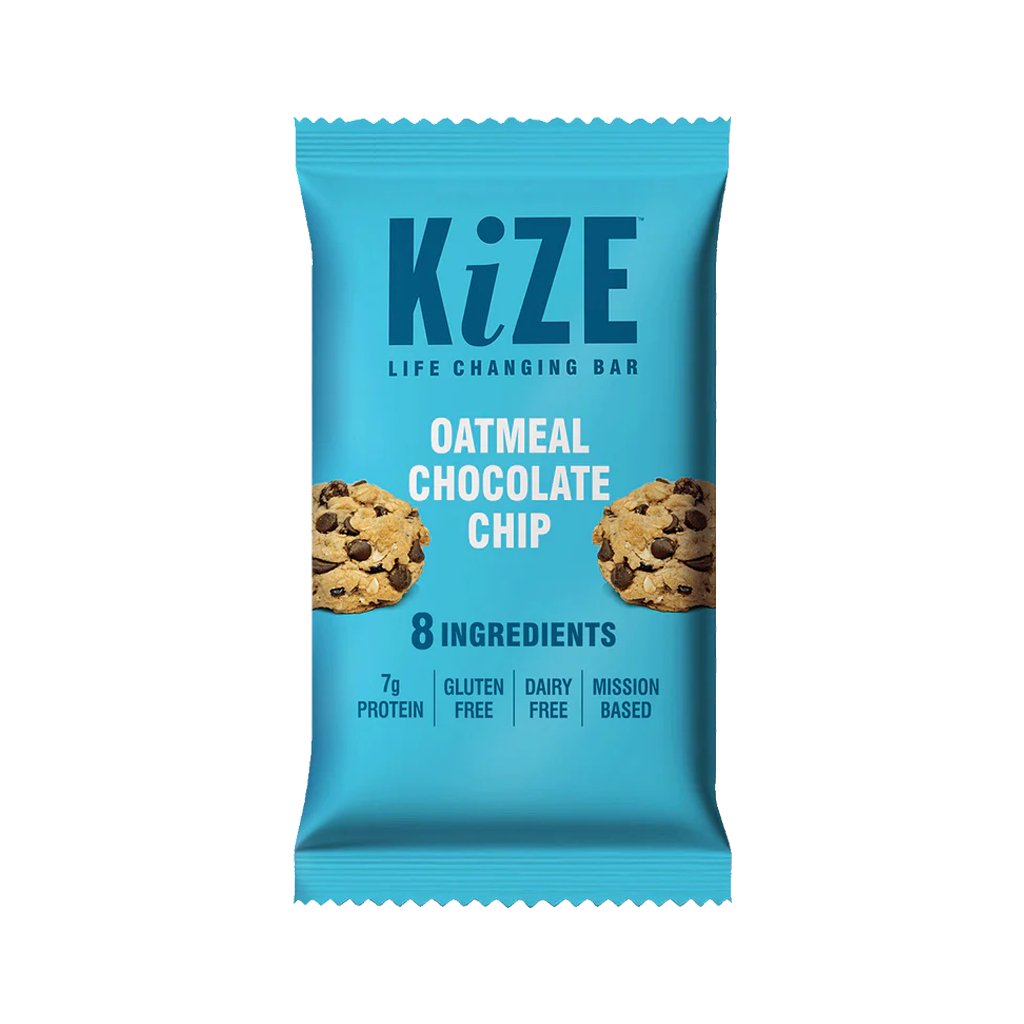
You’re a runner. You’re a mom. That means your 'recovery' usually involves folding laundry or refereeing a juice-box dispute instead of an ice bath and a nap. At Fuel Goods, we’re women who move, too. We know the struggle is real, but your nutrition shouldn't be the thing that gives out. Fail #1: The Vanishing Recovery Window The Problem: Parenting stress (cortisol) keeps your body in "fight or flight" long after the run ends, stalling repair. The Fix: The 20-Minute Rule If you can’t sit down and eat, you have to drink your recovery. Keep a shaker bottle and recovery mix in your car, diaper bag, or cupholder. Fuel Goods Picks: April RunnerBox feature: GU Roctane Protein Recovery Drink Marketplace favorite: Polar Joe Cold Brew Protein Fail #2: The Carpool Lane Cuisine The Problem: Trying to "power through" on coffee until noon. The Fix: Pocket Fuel You need something now. Think chews, bars, and snacks you can eat one-handed, that won’t melt in a hot car or wreck your teeth mid-Zoom call. Fuel Goods Picks: April RunnerBox feature: Fitzels Marketplace favorite: Reup Portable Protein Smoothie Fail #3: The “Nursing Brain” Dehydration The Problem: Nursing athletes need nearly double the electrolytes. Plain water isn't enough when you're sharing your minerals. The Fix: Electrolytes, Always Add clean electrolytes (no artificial junk) to every 20oz of water. Fuel Goods Picks: April RunnerBox feature: Ultima Replenisher Marketplace favorite: Nuun Sport Hydration Fail #4: Surviving on Toddler Scraps The Problem: Chicken nuggets and pretzels are "survival calories," not "performance calories." The Fix: High-Density Snacks High-density snacks. The Runner Box includes whole-food bars that bridge the gap between "Mom Life" and "Athlete Life." April RunnerBox feature: Kize Bar Marketplace favorite: B'cuz snacks Fail #5: The “Momsomnia” Cycle The Problem: You’re exhausted but can’t sleep because your nervous system is fried. The Fix: Magnesium + Adaptogens Look for nighttime support that helps calm your nervous system and bring cortisol down so you can actually hit REM sleep. Fuel Goods Picks: Marketplace favorites: Som Sleep Powder Thorne Magnesium Bisglycinate Fail #6: The “Bioterrorist” Household The Problem: Kids are germ-magnets. One sniffle can ruin a 16-week training block. The Fix: Daily Immunity Support Vitamin C, D, and Zinc are non-negotiable for the mother-athlete. Fuel Goods Picks: Marketplace favorites: TruLean Everyday Wellness Gruns Superfoods Greens Gummies The Bottom Line You don’t need perfection. You don’t need a two-hour recovery routine. You just need systems that work inside your life, not outside of it. That’s exactly why we built Fuel Goods and The RunnerBox. Real fuel. For real life. For moms who still show up.
Learn more
6 Must Have Mother's Day Gifts for Runners 2026
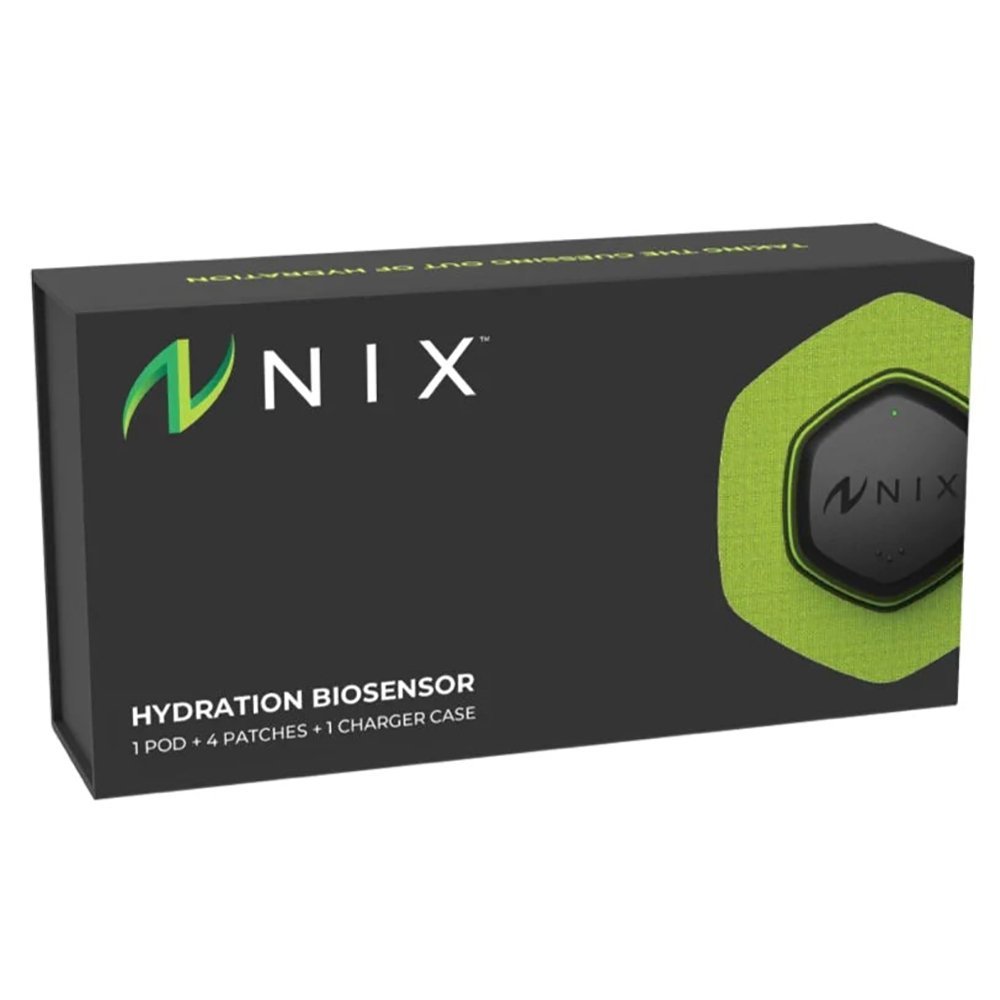
Mother’s Day is coming. And if your mom runs the world (and actual miles), she deserves better than a candle. Dog-moms, like-a-mom, a mother-at-heart, the owner of a business baby, or mom-mom, it all counts. Here’s what to get the women who already go the distance. Melanie Yates Senior Service Editor for Best Products said, “Focus on smaller accessories, supplements, recovery products... think: running/armbands, no-tie shoelaces, sunscreen, cooling muscle rubs, and packs of her favorite gels or gummies,” she suggested. What we read: You could hunt down gels, muscle rubs, sunscreen, and tiny accessories… or you could just gift The RunnerBox and be the hero. Dr. Stacy Sims wrote this comprehensive, physiology-based guide to peak performance for active women approaching or experiencing menopause. It's been a hit around the world so if you've noticed Mom breaking out into a sweat more than normal, this just might be your winner. This high tech monitor analyzes your sweat moment-to-moment. It's like having a personal hydration guru right in your ear spilling the tea on your body’s hydration needs. If you have a marathon mom, her legs carried her through every training run, long run, and race day. Gift her the muscle rub that helps carry her through the stairs the next morning. The BALG community of runners is second to none. If Mom is a Badass Lady looking to run her best with an awesome crew, then gift her the gift of being part of the Badass Lady Gang. Is your mom that one that always asks, "Did you get a receipt?" Give her the gift of customization so she can select her own box of fuel, snacks, and accessories that turn into epic runs, legendary workouts, and grand adventures. The Final Word She shows up for everyone else, mile after mile. No matter what you get her this Mother’s Day, show up for her with something that says, “I see you, and I appreciate every single step.” Bonus points if it helps her recover faster or smile bigger.
Learn more
Our Fueling Philosophy
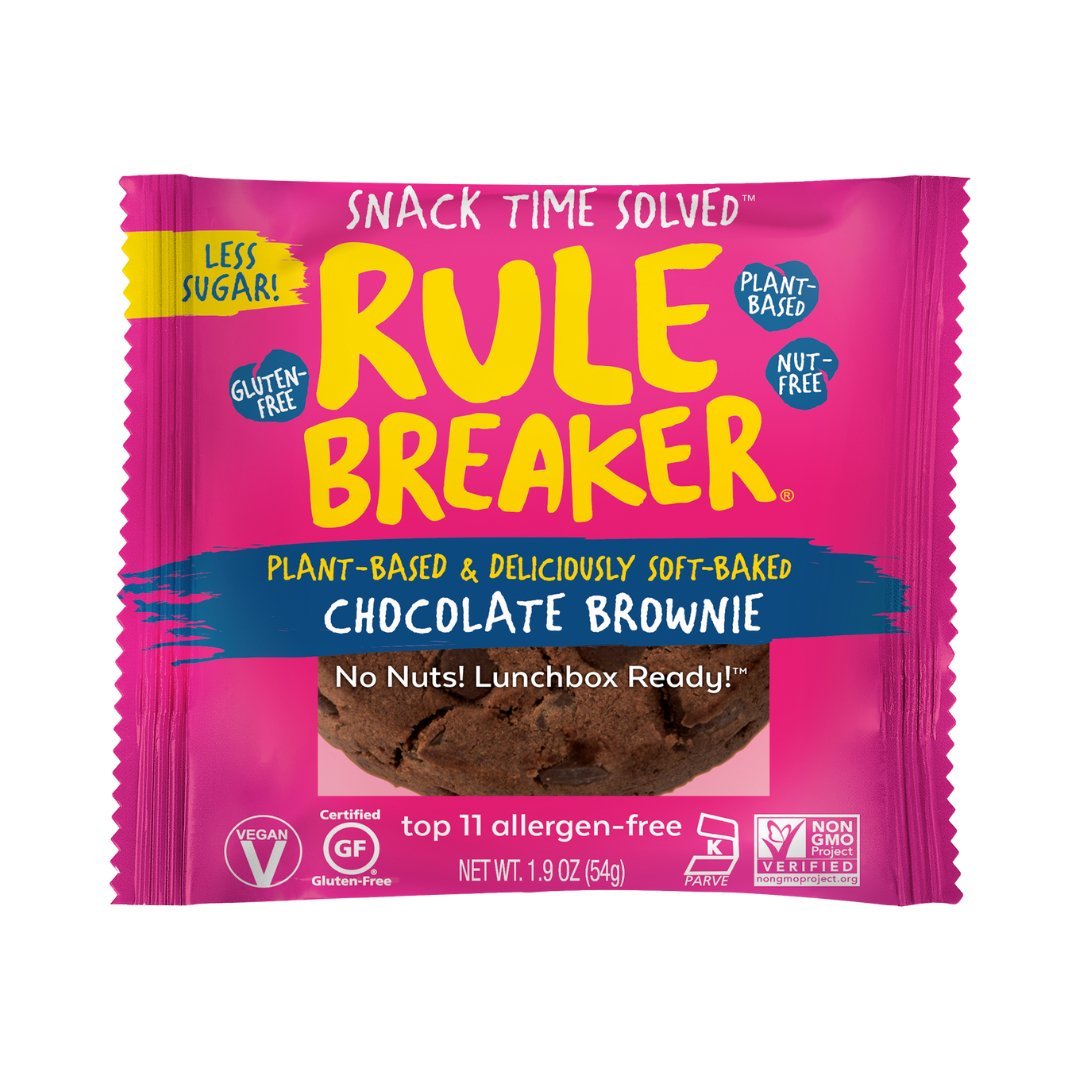
Fueling isn’t something you do once—it’s something you build. Just like your training, your nutrition should be simple, consistent, and part of your everyday rhythm. The more you practice it, the better it feels, and the better you perform. When you fuel good, you feel good—and when you feel good, you do incredible things. What We Believe Consistency > Perfection: Your body thrives on routine. Small, repeated actions beat one big “perfect” meal every time. Carbs = Endurance: They’re your main energy source—don’t skimp. Protein = Repair: Recovery starts with every bite. Electrolytes = Longevity: Hydration keeps your muscles firing. Timing Matters: Fuel early, often, and always practice your plan so race day feels like autopilot. Common Pitfalls (and How to Avoid Them) 1. Underfueling You can’t train your body to run on empty. When you don’t eat enough carbs before, during, or after your sessions, your body has no choice but to slow down. Underfueling doesn’t just zap performance—it impacts recovery, mood, and even your hormones. You’ll feel “flat,” cranky, and wonder why the same workout suddenly feels harder. 👉 Fix it: Build fueling into your training plan, not just your race day. If you’re running or riding long, aim for 60–90 grams of carbs per hour. Start early, stay steady. 2. Hydration Gaps Water alone doesn’t cut it. Sweat isn’t just moisture—it’s salt, potassium, magnesium, and other electrolytes your muscles need to function. Skip them, and you risk cramps, brain fog, and that mid-session fade that feels like hitting a wall. 👉 Fix it: Drink with purpose. Add electrolytes before, during, and after—especially in heat or long workouts. Make it a daily habit, not just a race day scramble. 3. Timing Off Fueling too early, too late, or not often enough can tank your energy just as quickly as not eating at all. If you’re constantly “bonking” mid-run or getting post-workout headaches, timing is likely the culprit. 👉 Fix it: Think rhythm, not reaction. Small, steady fueling beats big dumps of energy. Take in something every 20–30 minutes once you start moving. 4. Not Training the Gut Your gut is a muscle too—it needs to be trained. If you only try gels or drink mixes on race day, your stomach won’t know what hit it. Cue side stitches, nausea, or worse. 👉 Fix it: Practice your fueling strategy during every long run or ride. Same products, same timing. That way, on race day, it’s automatic. 5. Carbo-Loading Wrong Carb-loading isn’t a pasta-eating contest the night before. Overloading one meal can leave you bloated, sluggish, and sleeping poorly. 👉 Fix it: Start topping up your carb stores 2–3 days before the event with consistent, balanced meals. You’ll hit the start line feeling light, fueled, and ready—not stuffed. 6. Changing Nutrition on Race Day Your body doesn’t like surprises. A new gel flavor or brand might sound fun, but mid-race isn’t the time to experiment. Stress + new fuel = unpredictable results. 👉 Fix it: Use your training to find what works. By race week, your fueling routine should be second nature. No swaps, no stress, no regrets. The takeaway:The best athletes aren’t the ones who wing it—they’re the ones who practice fueling like they train. Every time you eat, sip, or refuel, you’re teaching your body what “good” feels like. Practical Recommendations Fueling right isn’t just about what you eat—it’s about when and how consistently you do it. Think of this as your fueling rhythm: simple steps you can stack into your daily routine so they become second nature. 2–3 Hours Before: Prime the Engine Your pre-session meal sets the tone for the day. You’re topping up glycogen and giving your body enough time to digest before go-time. 🍽️ Aim for carbs + a bit of protein, minimal fat. Try: Oats with peanut butter and banana Toast with egg whites Smoothie with berries, oats, and protein powder 👉 Habit tip: Eat roughly the same style of pre-workout meal for every key session. You’re training your stomach, not just your legs. 30 Minutes Before: Top It Off Just before you start, you’re looking for fast energy that’s easy to digest. ⚡ Quick carbs + hydration. Think: Waffles (Honey Stinger, GU, Untapped) A few chews or a gel Water + electrolytes 👉 Habit tip: Make this part automatic—set your gel or waffle next to your shoes so you never forget. During: Keep the Tank Steady If you’re going 60–120+ minutes, fuel early and often. Don’t wait to feel empty. ⏱️ 60–90g carbs/hour, ideally something every 20–30 minutes. Rotate between gels, chews, and drink mixes. Add electrolytes consistently—hydration is performance insurance. 👉 Habit tip: Set your watch to buzz every 25 minutes as your “fuel alarm.” Your future self will thank you. After: Refuel to Rebuild You’re not done when you stop moving—your recovery window matters. Within 30–40 minutes, replenish both carbs and protein to restock glycogen and repair muscle. 🥤 Ideal combo: Carbs + 20–30g protein. Examples: Whey or plant protein shake + carbs Momentous Whey Protein + Skratch Recovery 👉 Habit tip: Keep your recovery shake ingredients prepped. Make it part of your cooldown routine. Fuel Goods Habits We Swear By Supplements Creatine (3–5g daily) Creatine isn’t just for gym bros—it does wonders for endurance athletes. It helps your body recycle ATP (your muscles’ energy currency), which means you can push harder for longer and recover faster between efforts. Think of it as a battery booster for your cells. Over time, it supports muscle strength, reduces fatigue during hard efforts, and even improves cognitive focus when you’re deep into a long session. 👉 How to use it: Take it daily, not just on workout days. Mix 3–5g into your morning smoothie, coffee, or recovery shake—consistency is what unlocks the benefits. Tart Cherry Juice (1 serving of Cheribundi at night) Tart cherry juice is nature’s recovery tonic. It’s packed with antioxidants and naturally occurring melatonin—meaning it helps your body wind down, sleep deeper, and repair better. Studies show it can reduce muscle soreness, inflammation, and even improve sleep quality after tough training blocks. It’s small, but mighty: one nightly habit that keeps recovery compounding. 👉 How to use it: Sip a serving about an hour before bed. It’s your signal to slow down, recover, and let your body do its work. Sleep Without quality sleep, none of the above matters. Sleep is where your body repairs, rebuilds, and adapts—it’s the final piece of the fueling puzzle. You can’t out-fuel bad sleep. Consistency The secret sauce. Practice your plan in training, rotate fuel formats (bars, gels, powders), dial in your timing, and repeat until it’s automatic. The more you practice, the better your body absorbs and responds. Example of a “Fuel Good” Day Breakfast: Oats + banana + protein powder Workout (90 min): 1–2 gels, 1 pack chews, electrolytes (~60g carbs/hr) Post-workout: Recovery shake (25g carbs + 25g protein) + 3–5g creatine Lunch/Dinner: Balanced meals with whole grains, lean protein, healthy fats, and veggies Snacks: Protein + carb combo (e.g., Rule Breaker Brownie, REUP, Prevail Jerky, AMG Bites, etc.) Evening: Tart cherry juice + solid sleep 💡 Fuel Good → Feel Good → Be Great → Repeat.When fueling becomes a habit, energy becomes effortless—and consistency turns into greatness. 🕑 2–3 Hours Out: Why and How Much Targets: Carbs: 0.45–1.35 grams per pound of body weight (for example, if you weigh 143 lb, we’d recommend ~70g of carbs, which is equal to around 2 pieces of sourdough toast or 1.5 cups of oatmeal). Protein: ~15–20g (1 scoop of protein powder, a couple of eggs, etc.). Fat: Keep minimal (<10g if possible). Be cautious of nut butters and dairy products that carry fat, as this can be extra stress on your gut. Why fuel 2–3 hours before?That window gives your body enough time to digest, absorb, and store energy as glycogen in your muscles and liver. It means: You start your session topped up, not still digesting food. You avoid mid-session stomach issues. Your blood sugar is stable going in—no spikes or crashes. If you skip this meal and only “carb up” 30 minutes before, you’re relying on quick energy instead of stored energy. That might cover your warm-up, but it won’t sustain you for long or intense sessions. ⚡ 30 Minutes Out: Quick Energy Target:This isn’t the time to frontload your full 60–90g/hour plan. Instead, aim for around 20–30g of fast carbs (a gel, waffle, or couple of chews) + half a sachet of hydration/electrolytes. That jump-starts your blood glucose so you don’t dip early—but you’ll still start fueling regularly once the workout begins. Then, once you’re moving, you continue with the 60–90g of carbs per hour, broken into small doses every 20–30 minutes. Think of the pre-fuel as a warm-up for your stomach as much as your muscles. 💧 Electrolytes: How Much and How Often Before/during/after workouts: Yes—but not every glass of water all day. Here’s the breakdown: Before training: 300–500mg sodium (roughly one serving of most electrolyte mixes) During: 400–800mg sodium/hour (more in heat or for heavy sweaters—do you get leftover salt residue on your clothes after your workout? Aim for the higher end.) After: Sip one serving of electrolytes in the couple of hours post-workout. Outside of workouts, plain water is fine for regular hydration—especially if your meals include some salt. Too many electrolytes can lead to bloating or excess sodium intake, so use them strategically around training and heat, not constantly. The TL;DR Fueling well doesn’t have to be complicated—it just has to be consistent. Start simple, practice often, and build habits your body can trust. Because when you fuel good, you feel good. And when you feel good? You show up bigger, stronger, and more ready for whatever’s ahead.
Learn more
The Spring RunnerBox Is Here — and so is SiS
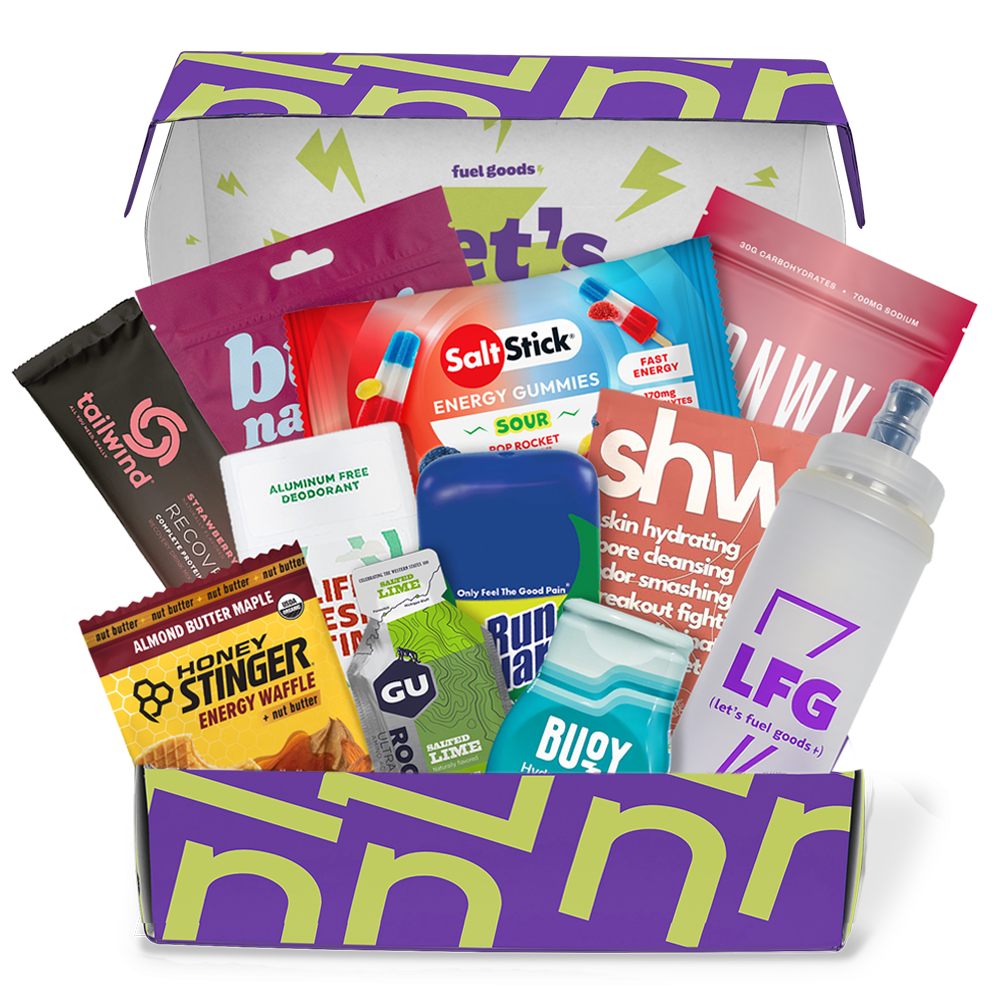
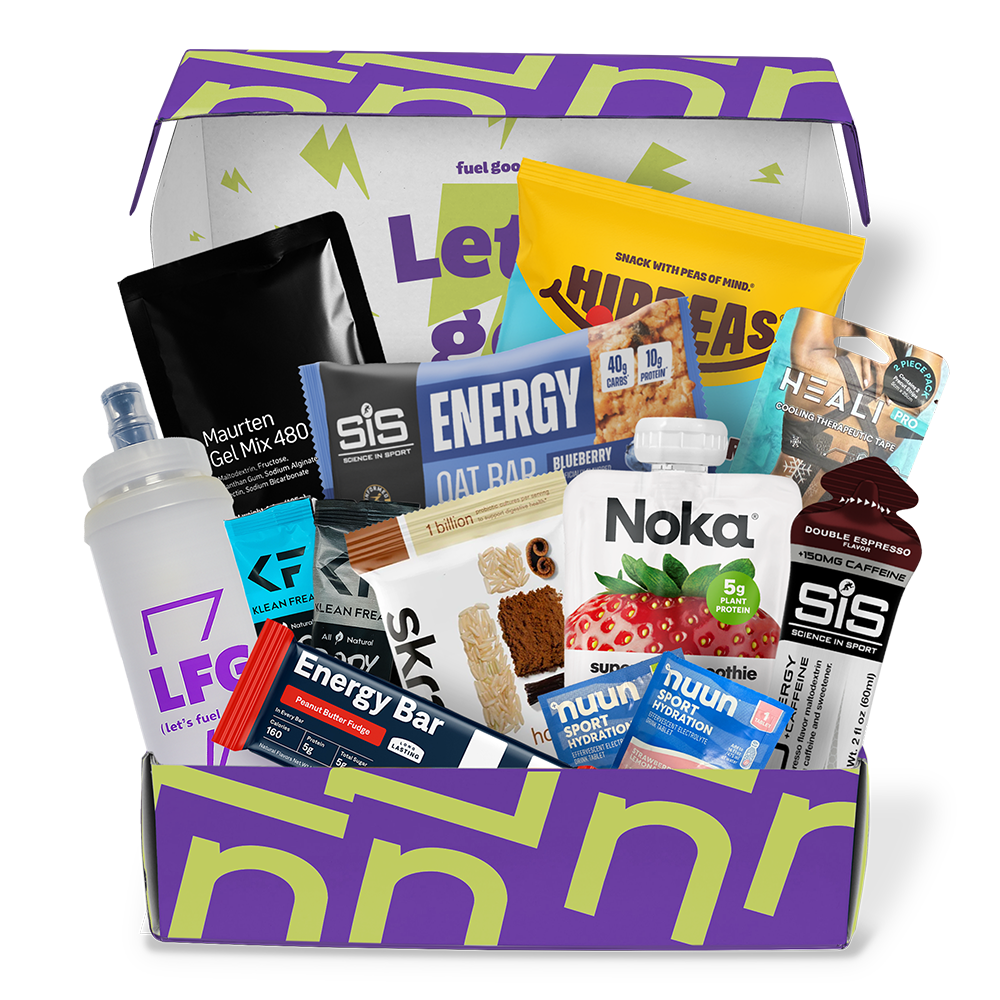
Race season is here. You've got a registration confirmation burning a hole in your inbox, a training plan you're mostly sticking to, and a group chat full of people who also signed up for something that felt very reasonable three months ago. Which means it's time for the April-May RunnerBox. But before we get into what's inside, we need to tell you about one item in particular. Because this one has a story — and the story starts with our very own Courteney, a 15-year-old racing for the New Zealand national cycling team, and a gel like nothing else on the market. Courteney Tested This Gel 20 Years Ago. She Never Forgot It. Here's something you might not know about your co-founder. Before Fuel Goods, before the RunnerBox, before she was crossing finish lines as the first woman through the tape at the 2026 Asheville Half Marathon (9th overall, since you asked) — Courteney was an internationally competitive cyclist representing New Zealand. And at 15 years old, she got her hands on something that most athletes wouldn't see for years. An early product test batch from a brand called Science in Sport. SiS. She tried the caramel flavor. And it was love at first taste. Not because of the sugar hit. Because of the absence of it. Every gel on the market at the time was cloyingly sweet — the kind that makes you want to stop mid-effort and rinse your mouth out. SiS tasted distinctly different. Clean. Functional. Like something designed for athletes who actually had to keep going, not something engineered around what tastes good standing still in a lab. Courteney was hooked. She's been a SiS believer ever since. We weren't going to add SiS until we could do it right — properly stocked with our favorites and ready for race season. “We’re excited to be part of Fuel Goods and Courteney’s story — supporting athletes with fuel that works when it matters most.” said Mike Percic, General Manager at Science in Sport US. Shop the SiS collection. Now live at FuelGoods.com. Check out what our Fuel Goods Community is saying and join the conversation by sharing your first love at first gel story and tagging @Fuel_goods on Instagram + Facebook. Spring Sampling Done Right The April-May RunnerBox is race season through and through. Real fuel, real recovery, real “oh thank goodness that was in my pocket” moments. Here's everything inside. SiS GO Energy + Caffeine Gel — Berry This is the one. The brand that's been sitting at the top of the most-requested list for RunnerBox subscribers, finally making its debut. These isotonic gels go down without water — no juggling, no cramping, no desperate scrambling at the aid station. This version includes caffeine for a mid-race kick when your legs start making suggestions your brain has to veto. It's everything Courteney fell in love with at 15, now available to every runner who's ever wanted a gel that doesn't make them wince. Courteney’s not the only one who fell for SiS after the first date. SaltStick Energy Chews — Sour Pop Rocket Think the rocket popsicle from the ice cream truck, but with electrolytes and a sports science degree. Honey Stinger Almond Butter Maple Waffle This waffle tastes suspiciously like dessert. Almond butter and maple deliver quick carbs without the sugar bomb spiral. Eat one 30 minutes before you head out — or mid-run when gels start feeling emotionally aggressive. Courteney eats hers pre-run. Laura eats hers standing next to the coffee machine, which is close enough. Kize Bar Real food. Simple ingredients. Zero mystery powders. Built for the classic athlete scenario of “I was going to eat lunch and now it's somehow 3 PM.” Ultima Electrolyte Packets Water is great. Electrolyte water is better. These packets make finishing your bottle feel achievable instead of aspirational. Munk Pack Probiotic Breakfast Bar — Chocolate Chip Breakfast, but designed for athletes who don't always sit down for it. Protein, fiber, and probiotics to support digestion and steady energy when your morning is moving faster than your meal plan. GU Roctane Protein Recovery Drink Mix Long, hard runs break you down. This helps put you back together. Protein, carbs, and amino acids within 30 minutes of finishing means your legs are more likely to forgive you by Thursday. Lenny & Larry's Fitzels — Taco Tuesday Twenty grams of protein. Crunchy. Taco-flavored. These should not work as well as they do. And yet. Xpand No-Tie Round Laces Stopping mid-race to re-tie your laces is a personality test nobody wants to fail. Quick-release elastic laces turn your shoes into slip-on, race-ready gear without sacrificing fit. Hyland's Leg Cramps Ointment For the cramps that show up uninvited after long runs and ambitious race goals. Rub it directly onto the offending muscles so you can walk downstairs again like a normal human. Klean Freak — The Flusher (5 singles) We're just going to say it. Race season porta potty reality is real, and this box has you covered. Individually packed, compact, and very clutch. This Is What the RunnerBox Is For. Every other month, we take the exact things we're using in training — the stuff that proves itself at mile 18, the fuel we're actually reaching for — and we put it all in one box. Over $50 of fuel and gear, $10 in Subscriber Fuel Cash already waiting in your cart, plus member discounts across the whole site. Runner math means you never pay full price for fuel. And this edition includes the thing Courteney waited years to bring to the Fuel Goods community. Not because we were being dramatic about it. Because we wanted to do it right. We think we did. Get the April-May RunnerBox → Shop the SiS lineup at FuelGoods.com → Fuel early. Hydrate often. Go get that PB. — Laura & Courteney
Learn more
Fueling for Long Ride Training: What Most Cyclists Get Wrong
After more than a decade racing bikes, I learned something the hard way: Most cyclists don’t bonk because they’re not fit enough — they bonk because they didn’t fuel enough. If you’re training for long days in the saddle — like the 50+ mile stages of Arthritis Foundation Cycling Experiences — fueling becomes just as important as your training plan. The goal isn’t complicated: Steady energy for hours and enough recovery to do it again tomorrow. Here’s what to know about why, when, and how to fuel your long rides. Step 1: Know Your Carb Target Your body stores enough glycogen for roughly 90 minutes to two hours of riding. After that, your energy depends on what you're eating and drinking on the bike. For most endurance rides longer than 90 minutes, aim for: 60–90 grams of carbohydrates per hour That number sounds big, but it becomes manageable when you combine high-carb drinks with small fuel bites. Step 2: Fuel Before the Ride Your pre-ride meal sets the tone for the entire ride. About 2–3 hours before riding, aim for: carbohydrates a little protein minimal fat Examples: oatmeal with banana and protein powder sourdough toast with eggs smoothie with oats, berries, and protein Then about 30 minutes before rolling out, add a quick carb boost. Honey Stinger waffle Skratch chews a gel half a bottle of carb drink mix Think of this as topping off the tank before you start riding. Step 3: Start Fueling Early One of the biggest mistakes cyclists make is waiting until they feel hungry to eat. By the time hunger hits, your energy is already dropping. Instead, start fueling within the first 30 minutes of your ride and keep eating every 20–30 minutes. Think of fueling like cadence — smooth and consistent. Step 4: Use High-Carb Drink Mixes One of the biggest upgrades in endurance nutrition over the past few years is high-carbohydrate drink mixes. Instead of trying to eat every calorie, you can drink a large portion of them. For example: A bottle of Flow Formulas delivers roughly 90 grams of carbs, which can cover most of an hour’s fueling needs. Other excellent high-carb drink mixes include: Maurten Drink Mix 320 Skratch Super High-Carb Sport Drink Mix Step 5: Choose Real Fuel That’s Easy to Eat On long endurance rides, many cyclists prefer real-food style fuels instead of relying on gels. Bars, waffles, and bites tend to feel more satisfying after a few hours on the bike. AMG Bites — a great choice when I want something that actually feels like food Supra bars — a personal favorite. Made with real ingredients by a female pro cyclist. You will love these. Kate’s Real Food Bars — a carb powerhouse and treasure trove of nutrients Vafels — simple ingredients and steady carbs that will make you feel like a Euro pro SaltStick chews — perfect for quick flavorful bites between drinks A typical fueling hour might look like: bottle of Flow Formulas half a Supra bar a few SaltStick chews Or: bottle of Flow Formulas a Vafels waffle That combination easily lands you in the 60–90g carbs per hour range. Step 6: Don’t Forget Electrolytes When you sweat, you're losing more than water. You're also losing sodium and other electrolytes, which help regulate hydration and muscle function. Without replacing them, riders often experience: cramps headaches heavy legs late in the ride sudden energy drops 400–800 mg sodium per hour is a good starting point. Skratch Hydration Sport Drink Mix — about 380 mg sodium per serving Precision Hydration packets (PH 500 / PH 1000 / PH1500) — great for dialing in higher sodium needs SaltStick capsules — convenient if you prefer taking electrolytes separately from your drink mix Step 7: Recover So Tomorrow’s Ride Feels Good Because many riders are traveling or heading straight to a hotel after the ride, portable recovery options are often easiest. Momentous Whey Protein — shaken in a bottle with water Skratch Recovery Sport Drink Mix — carbs and protein in one drink. The Horchata is AMAZING. Honey Stinger Protein Bars — a post-ride top-up that tastes like a Reese’s REUP portable smoothie — it’s ridiculous how many of these I have during big training blocks You don’t need anything fancy — just something easy to get down while your body is still in that recovery window. If you're riding multiple days in a row, this step makes a huge difference in how your legs feel the next morning. What I Pack for a 4–5 Hour Training Ride People ask me this all the time, so here’s a typical fueling setup I’ll bring on a longer ride. In my bottles 1 bottle Flow Formulas 1 bottle Skratch electrolytes In my pockets 1 Vafels waffle 1 Supra bar 1 pack SaltStick OMG Chews 1–2 gels (just in case I want quick carbs) That gives me flexibility depending on how I feel. Some hours I drink most of my carbs. Other times I want something more substantial like a waffle or bar. The goal is simple: steady energy without overwhelming your stomach. Want to try my whole stack? You can get it HERE. Pro Tip: Set a Fuel Alarm One trick I recommend to athletes is setting a fuel reminder on your watch or bike computer every 25 minutes. When the alarm goes off, take in something small — a sip of drink mix, a few chews, or part of a bar. It sounds simple, but it prevents the most common fueling mistake: forgetting to eat until it’s too late. The Fueling Cheat Sheet (Save This for Your Next Ride) Before Ride (2–3 hrs) Carb-focused meal + small protein 30 min before 20–30g quick carbs During Ride 60–90g carbs per hourEat every 20–30 minutes Drink Strategy 1 high-carb bottle (Flow Formulas is a great option) and 1 electrolyte mix bottle After Ride Carbs + 20–30g protein within 40 minutes Fueling Mistakes Cyclists Make After years in the sport, the same mistakes come up again and again: Waiting until you're hungry to eat Underestimating carb needs Drinking only water Eating too much at once Skipping recovery nutrition Trying new foods on event day The best athletes don’t wing their fueling — they practice it during training. The Takeaway Training for long rides isn’t just about riding farther. It’s about building habits your body can rely on. Fuel early.Fuel consistently.Hydrate with electrolytes.Recover well. Do that, and long rides start to feel very different. Instead of hanging on during the final hour, you finish thinking: “I could keep riding.” Dial your strategy in and end each day ready to conquer the next. Fuel good → feel good → ride strong. 🚴♀️ You’ve got this, Laura PS - If you want to fuel like a pro I've put exactly what's in my pockets HERE.
Learn more
The Only 6 Things You Need for a Perfect Valentine’s Day
Listen, we love romance. And if your Valentine is the kind of person who prefers long workouts over long-stemmed roses, we have some ideas to level up your game. A six-part plan for the perfect evening (and maybe even scoring bonus points in the process). 1. Thorne Berry Amino Complex 🍷 Sip, recover, repeat. Forget rosé—start the evening off with this blend. If they love pushing their limits, this will help them bounce back faster (so they can do it all over again). 2. The Fuel Goods Valentine's Day Box 💘 Roses are fine. Fuel is better. Not to toot our own horn, but toot toot! We've been told this box is "genius" and we must be on to something because we're almost sold out. 3. Hyland's Muscle Therapy Gel 💆♀️Massage by you first. Muscle rub second. Trust us, they'll love it. It's time to move to the massage portion of the evening and a real “I love you”? A post-workout rub-down. Ideal for recovery, relief, and the most romantic massage any athlete could ask for. 4. Avanza Anti-Chafe Balm 🔥 Because nothing kills the mood like chafing. If things are going well, this anti-chafe will come in handy. Beacuse whether you're running, riding, or sweating through a "HIT workout" (wink, wink), chafing doesn’t care. 5. Water Bottle + Electrolytes 💦 They need hydration after that workout (or…😉) No matter what type of effort they're dripping from, a quality water bottle + electrolytes will keep them fresh, hydrated, and functioning. 6. Fuel Goods Buff 👀 Bonus points if you hand them this gift while actually “in the buff.” We couldn't help but have fun with this one. The buff itself is lightweight and so cozy. But it's the way you present it that makes it a winner. There you have it! Now go make Valentine's Day a personal best! PS - Is your Valentine a choc-a-holic? Craft them a box of endurance chocolates at the Fuel Goods chocolate shop.
Learn more