You've seen elites use it. You've wondered if it's for you. Here's the honest answer.
Let's address the elephant in the room: Maurten BiCarb looks like a science experiment. There's a mixing bowl. There are components labeled A, B, and C. There's a QR code that leads to a "Digital System." It's a lot.
But here's what it actually is: baking soda. Very fancy, very well-engineered baking soda — designed to help your muscles keep working when your pace tells them to stop.
If you've got a marathon on the calendar and you've been curious about BiCarb, this is the no-jargon breakdown you didn't know you needed.
First, what's actually happening to your legs at mile 20
You know that burning, heavy, "my legs have left the building" feeling late in a race? Conventional wisdom blamed lactic acid. The real culprit is hydrogen ions — a byproduct of your muscles working anaerobically (a.k.a. going hard without enough oxygen). Those ions make your muscles increasingly acidic, which overwhelms your system and leads to the slowdown.
Sodium bicarbonate — the active ingredient in BiCarb — is alkaline. It neutralizes that acid buildup, buffering your muscles against the rising acidity so they can keep firing a little longer and a little harder.
It's been used in sports science research for decades. In fact, early studies date back to over 100 years ago. The catch has always been the side effects: traditional bicarb loading (think: raw powder or capsules) is notoriously hard on the gut. Cramping, bloating, and worse — usually right when you need to be focused on mile 22, not a porta potty.
So what did Maurten actually solve?
Maurten applied the same hydrogel technology behind their gels and drink mixes to bicarbonate. The BiCarb is encapsulated in a hydrogel that delays its reaction with stomach acid, carrying it further into the digestive system before it's absorbed. Less surface-area reaction in the stomach = significantly reduced GI distress.
The result: you get the buffering benefits without the gamble. It's still bicarb. It's just bicarb that's been wrapped in a delivery system designed to actually work inside a human body during a race.
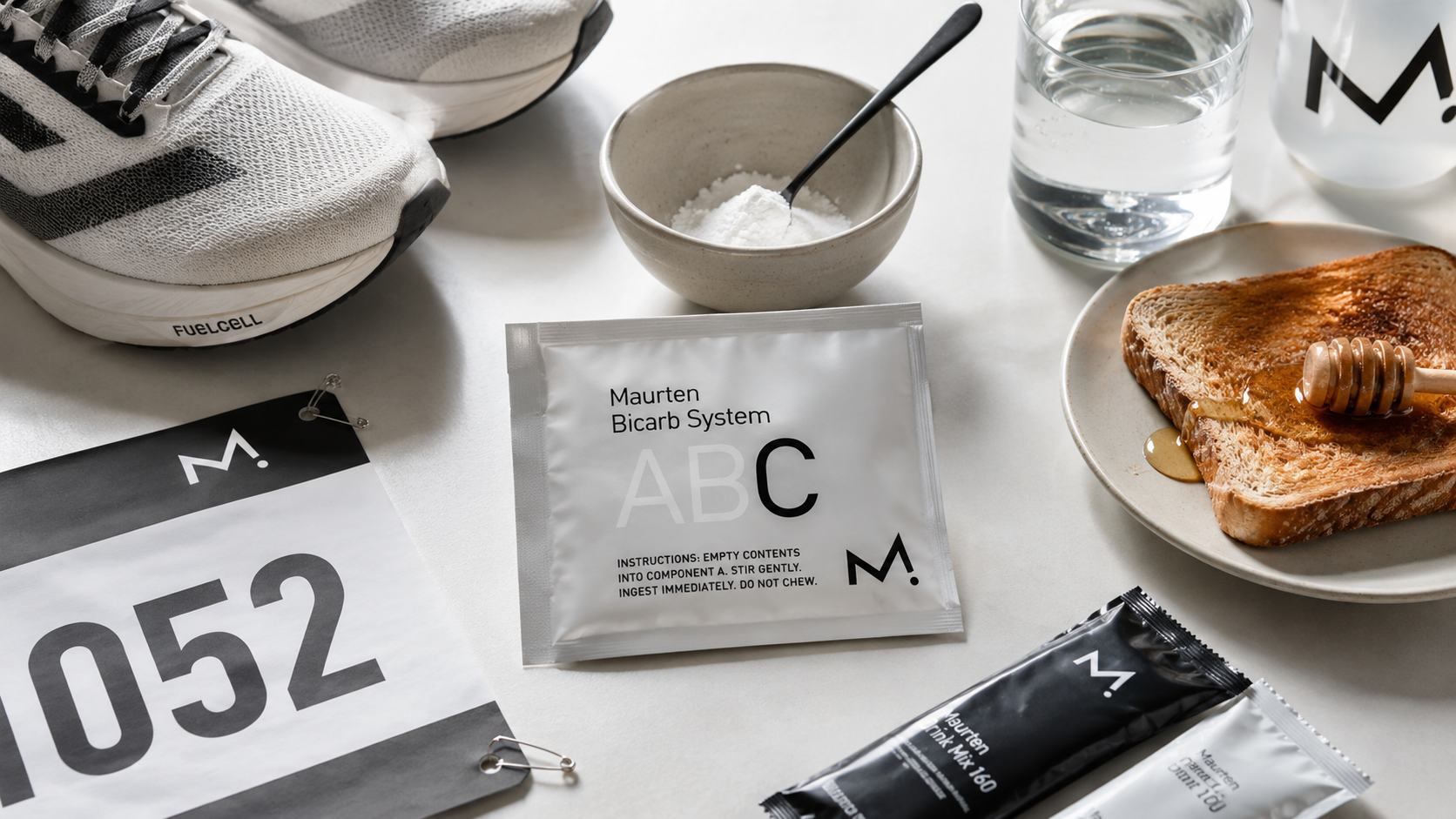
The system includes three components — a mixing bowl (A), the hydrogel powder (B), and the bicarbonate mini-tablets (C) — plus access to a personalized digital protocol based on your body weight and experience level.
Does it actually work for a mid-pack marathoner?
Here's the honest answer: the research on BiCarb is strongest for shorter, high-intensity events lasting 45 seconds to about 8 minutes — think 800m to 5K. For the marathon specifically, the evidence is less clear-cut than the marketing would suggest.
That said? You don't have to be Sabastian Sawe to find value in it. Though for reference: Sawe used the Maurten BiCarb System on his way to running the first sub-two-hour marathon at London 2026. So it's not nothing.
For a mid-to-back-of-pack marathoner, the case for BiCarb is this: the final miles of a marathon are often run at a pace where your body is working hard enough to accumulate that acid buildup. Anything that helps buffer that — even marginally — is worth understanding. And at minimum, the 30–40g of carbohydrates in the hydrogel itself isn't a bad pre-race fuel addition.
The cardinal rule: train with it before you race with it. Never introduce anything new on race day.
How to actually use it: the mid-pack marathoner's protocol
Here's where the instructions on the box get a little vague. Let's make it practical.
The night before
Keep dinner normal — familiar carbs, nothing heavy, nothing that's going to make you nervous in the morning. This is not the night to experiment with the pasta special at the hotel restaurant.
Race morning: 2–3 hours before your start time
Eat a light, carbohydrate-forward meal. Simple is better. The London Marathon winner's pre-race meal? Two pieces of toast with honey. Not a stack of pancakes. Not a five-egg scramble. Toast and honey. If it's good enough for a world record, it's good enough for your BQ attempt.
The goal is to top off your glycogen stores without anything sitting heavy in your stomach when BiCarb kicks in.
90 minutes before your start time
This is your BiCarb window. Here's why: BiCarb needs time to be absorbed and reach peak blood concentration. Maurten recommends 90 minutes before your race — and that window matters. Too early and the benefits fade; too late and you're absorbing it while you're already running, which increases GI risk.
Mixing instructions:
- Add 200ml of cold water to the mixing bowl, Component A.
- Add the hydrogel powder, Component B, and shake for 15 seconds.
- Let it stand for a few minutes.
- Add the bicarbonate mini-tablets, Component C, and stir gently.
- Eat the contents immediately — don't chew, just swallow.
It has a neutral taste with a slight sweetness. The texture is a clear, slightly thick gel with small tablets. Think: a Maurten gel, but with more going on.
Important: pair it with carbs
BiCarb should be taken with 30–40g of carbohydrates. This isn't optional — the carbs help with absorption and reduce the likelihood of stomach discomfort. The hydrogel in the system already contains carbohydrates, so you're already partially covered, but pairing it with your pre-race breakfast carbs is the move.
On the bus / walk to the start
Sip water normally. Don't overdrink. Stay calm. The BiCarb is doing its work.
What to stack with it
BiCarb doesn't work in isolation — it's one piece of a race-day fuel strategy. Here's how to think about the full picture:
Maurten Solid 160 is the ideal pre-race carbohydrate companion. An oat-and-rice bar with 40g of carbohydrates, it's designed for exactly the pre-loading scenario BiCarb requires. Easy to digest, not fussy.
Maurten Drink Mix 320 is what many elites use on the bus to the start — a high-carbohydrate drink to keep glycogen stores topped off without eating more solid food. Worth having on hand for longer race mornings.
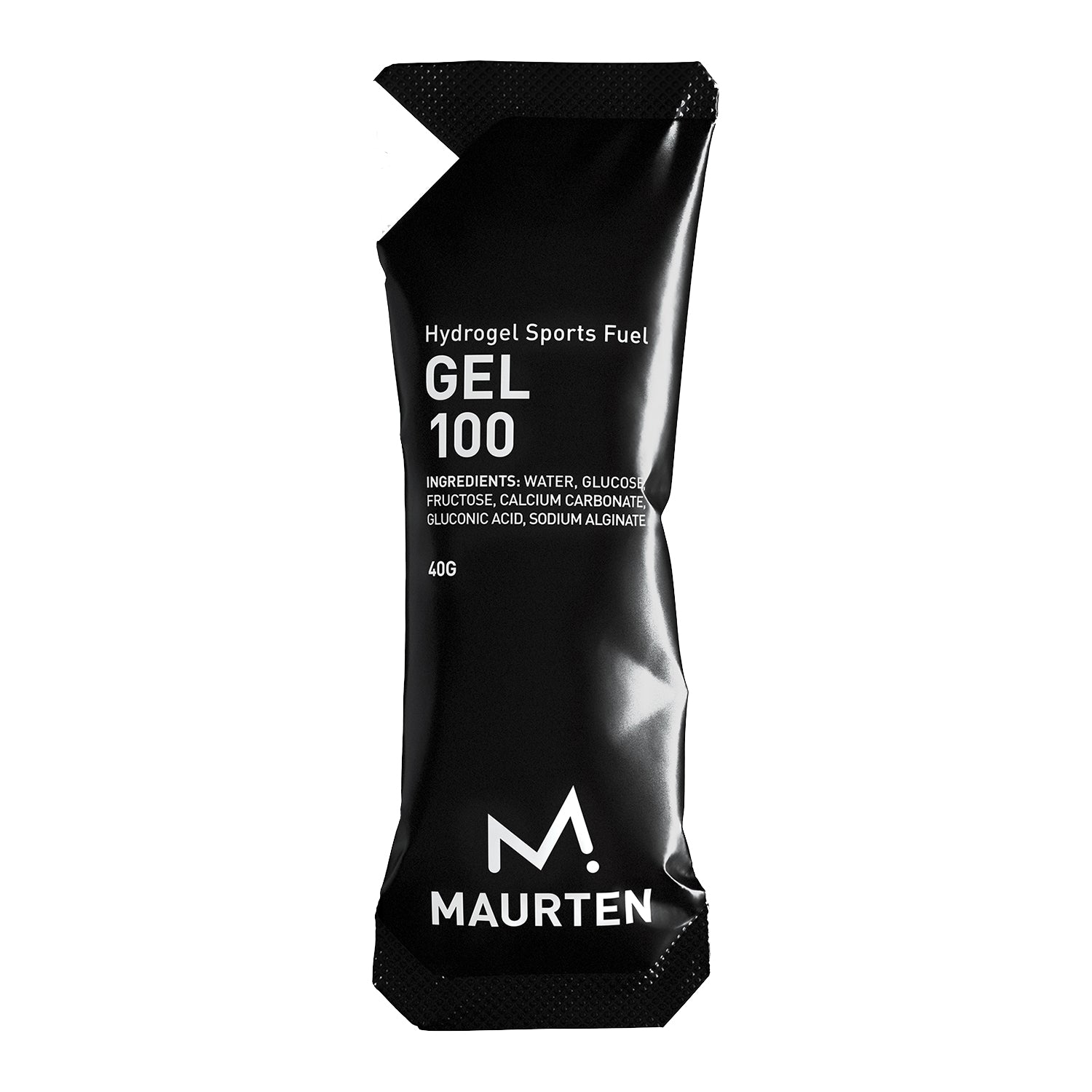
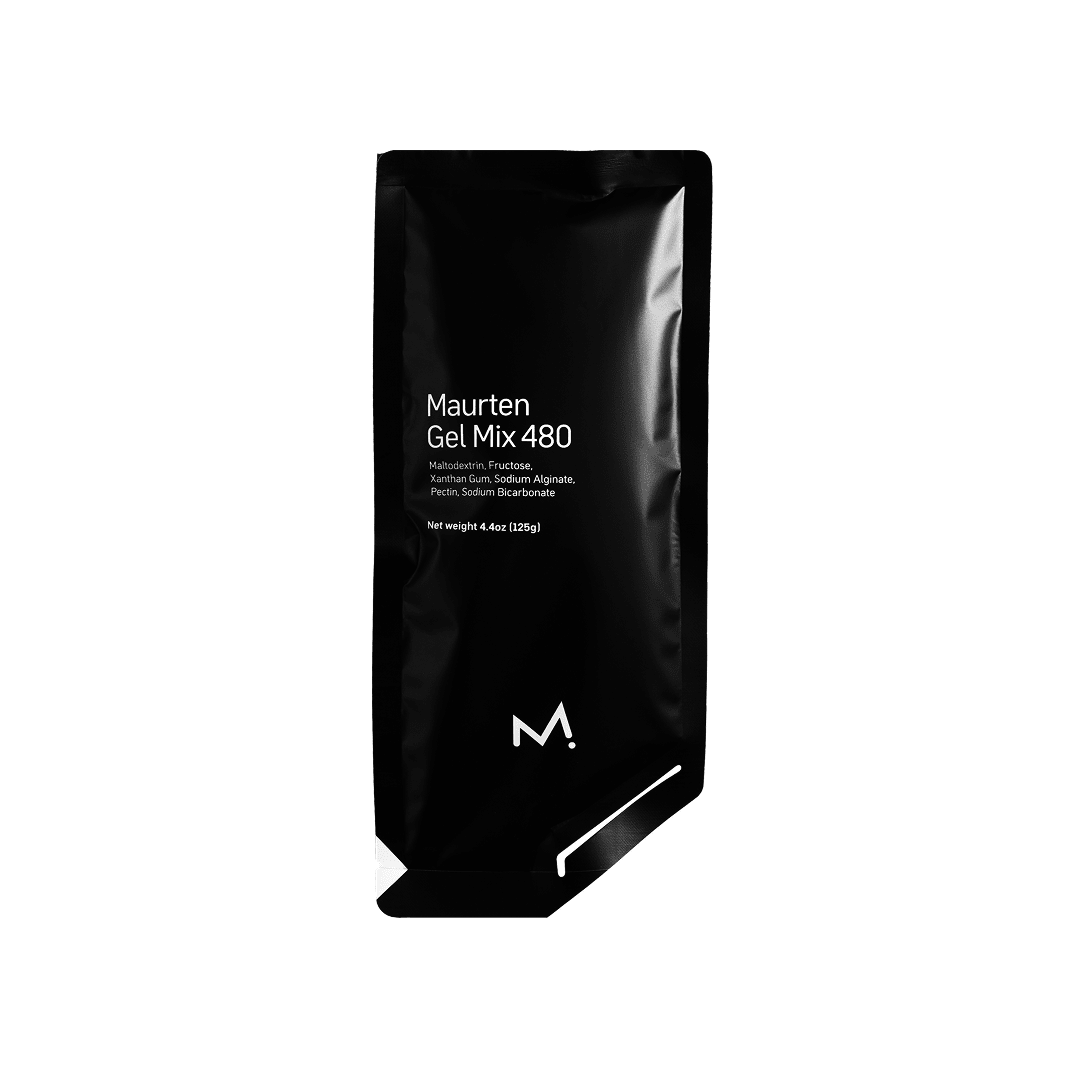
Maurten Gel 100 is your in-race workhorse. Take one 5 minutes before the gun, then every 30–40 minutes during the race. The Gel 100 Caf 100 version, with 100mg of caffeine, is worth planning into the back half of your race.
The full picture: light breakfast 2–3 hours out → BiCarb 90 minutes out → Drink Mix on the way to the start → Gel 100 five minutes before the gun → Gels every 30–40 minutes on course.
A few things worth knowing before you buy
Dose by body weight. The BiCarb System comes in multiple serving sizes based on your weight and bicarb experience level. Start with a lower dose your first time and work up.
Max two servings per week. This is not a daily supplement. The sodium content is high and Maurten is explicit about the limit.
Practice at least once before race day. Seriously. Do a hard long run or a tempo workout using it first. Your gut needs to meet it before your race does.
GI side effects are still possible. The hydrogel technology reduces the risk significantly, but everyone's gut is different. Some people still experience bloating or discomfort, especially at higher doses.
Bottom line
Maurten BiCarb is not magic. It won't fix a training block that needed more long runs. It won't carry you through the wall if you went out too fast.
But for a runner who's done the work and wants to give their muscles the best shot at holding on through the final miles? It's a tool worth understanding — and worth trying in training before you trust it on race day.
The science is real. The timing matters. The toast and honey is not optional.
New to Maurten? The full lineup — BiCarb, Gels, Drink Mixes, and Solids — is available at FuelGoods.com.