The honest guide for athletes who are tired of guessing.
You've seen the term "high carb" everywhere lately. On race recaps, in training groups, on the shelves of Fuel Goods. And if you've spent any time in an endurance community in the last few years, someone has probably told you to "drink your calories."
But here's the part that usually gets skipped over: not every run, ride, or race needs the same fuel. Using a high carb drink mix on a 45-minute tempo run is like showing up to a Tuesday night dinner with a full catering spread. Overkill. Possibly uncomfortable. Almost definitely unnecessary.
This guide breaks down exactly what high carb and standard hydration mixes are, when each one belongs in your bottle, and how to think about the decision for your specific distance and pace. No jargon, no oversimplification. Just the stuff that actually helps you fuel better.
First, let's clarify the difference
Standard hydration mix is designed to replace the electrolytes — primarily sodium — you lose in sweat, with a modest amount of carbohydrates to support energy and improve fluid absorption. A typical serving delivers around 20g of carbs and 80 calories. It's light, easy to drink, and intended to work alongside the food you eat — gels, chews, bars — not replace it.
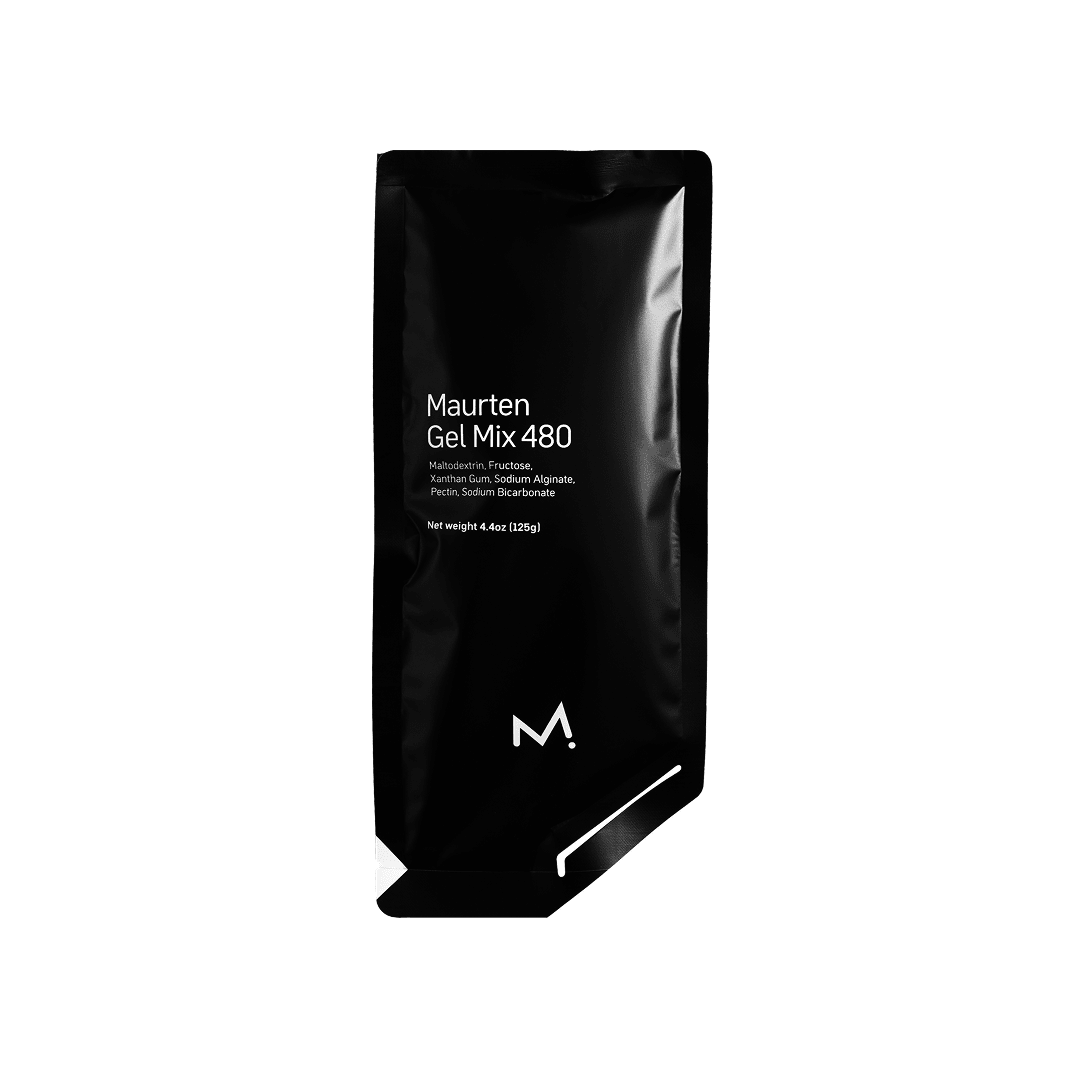
High carb drink mix is a different tool entirely. It's built around complex carbohydrates that deliver a large amount of energy in a gut-friendly way — designed to break down steadily rather than spike and crash. Depending on the product, a single serving typically delivers 50–100g of carbohydrates and 200–400 calories. The goal is concentrated liquid fuel for efforts where solid food becomes impractical, inaccessible, or just really unappealing at mile 18.
The key distinction: standard hydration keeps you topped up. High carb is doing the heavy lifting when your glycogen stores are under serious pressure.
The carb math your body actually cares about
Here's the number that changes how you think about fueling: most endurance athletes need between 60 and 90 grams of carbohydrates per hour during sustained, hard efforts. Some elite-level athletes push 90–120g/hr — but getting there requires deliberate gut training over weeks.
For context, 60g/hr is roughly two standard energy gels per hour. 90g/hr starts to require a mix of sources — which is where liquid carbs become genuinely useful. Your gut can only absorb about 60g of glucose per hour through one transport pathway. To get beyond that threshold, you need a second type of carbohydrate (fructose) that uses a completely separate pathway. High quality high carb mixes — including Skratch Super High-Carb — use both, which is how you get to higher absorption rates without the traffic jam that causes GI distress.
The practical upshot: a high carb drink mix isn't just "more carbs." It's a smarter delivery system for when your body needs a lot of fuel fast.
When to use standard hydration
Standard hydration mix is your everyday workhorse. It earns its place in your bottle for:
Efforts under 90 minutes. For shorter runs, rides, or swims, your glycogen stores are largely sufficient. You don't need to replace a lot of calories mid-effort — but you do need to replace sodium and fluid, especially in heat. Standard hydration handles this perfectly without any risk of gut issues.
Easy and moderate training days. Long slow distance runs, zone 2 rides, recovery sessions. Your body is working aerobically and burning fat alongside carbs. You don't need the firepower of high carb mix — you just need to stay hydrated and keep electrolytes balanced.
Any effort where you're eating real food. If you have a crew, aid stations with solid food, or pockets full of bars and chews, standard hydration paired with solid fuel is a completely viable strategy. Many athletes do their best long runs this way.
Hot weather, high sweat rate days. On days when you're sweating heavily, you may actually need more sodium than carbs. Standard hydration mix — with its sodium-forward formula — is built exactly for this. You can always supplement calories separately.
When to use high carb drink mix
High carb mix earns its place when the fueling demand goes up and the practical ability to eat solid food goes down. Specifically:
Long efforts over 90 minutes at race effort. This is the core use case. Once you're pushing hard for longer than 90 minutes, your glycogen stores are under real pressure. Getting 50–90g of carbs per hour from solid food alone — gels, chews, bars — is entirely doable, but requires a lot of unwrapping and chewing when you're breathing hard. Liquid carbs remove the friction.
Half marathons (for faster runners) and full marathons. For a half marathoner running under 2 hours, high carb is worth considering — you're working hard enough that fuel is a genuine limiter and there are limited opportunities to eat at race pace. For full marathons, it becomes even more relevant. The longer you're out there, the more important it is to hit your carb targets consistently, and the harder solid food becomes to stomach as fatigue builds.
Cycling and triathlon. This is where high carb drink mix has been used longest and is most established. Cyclists have the advantage of being able to carry bottles without the jostling of running, and the ability to consume more fluid per hour. During an Ironman bike leg, athletes commonly fuel almost entirely via liquid carbs — it's just easier to execute at 20mph than reaching for a bar. Triathletes in particular benefit from liquid fueling on the bike so they head into the run with a stocked glycogen supply rather than trying to catch up once they're on their feet.
When chewing is simply not happening. There's a point in every long race where the idea of eating something solid is physically unappealing. This isn't weakness — it's physiology. Your gut is under stress, your digestive system has slowed, and your body has made clear it is not interested in a waffle. High carb drink mix is built for exactly this moment.
In combination with standard hydration. This is an underused strategy: mix your High-Carb with a scoop of standard Sport Hydration Mix to simultaneously hit your carb targets and get a bigger sodium hit. Especially useful for saltier sweaters or hot race days where you need more of both.
A practical guide by distance
Half marathon (13.1 miles)
Target: 30–60g of carbs per hour, depending on pace and finish time.
For most runners, a combination of standard hydration mix and 2–3 gels per hour covers this comfortably. Faster runners (under 1:45) may benefit from adding a single-serving High-Carb packet in the bottle for a more seamless fueling experience with fewer mid-race unwrapping moments. Start fueling earlier than feels necessary — around 20–25 minutes in — and don't wait until you're hungry.
Full marathon (26.2 miles)
Target: 60–90g of carbs per hour.
This is the sweet spot for high carb drink mix. At marathon pace, you're working hard enough that a deliberate fueling strategy matters, and the back half of the race is where fueling decisions made in the first half show up. A single-serving High-Carb packet per hour, paired with gels or chews for additional carbs and a separate bottle of standard hydration for electrolytes, is a solid starting framework. Practice this in training — your long runs are your laboratory.
Cycling (2+ hours)
Target: 60–90g of carbs per hour, up to 120g for high-intensity efforts.
Liquid fueling is at home here. A full serving of High-Carb (100g of carbs) in one bottle, with a second bottle of standard hydration for electrolytes and additional fluid, covers most training rides. For racing or big climbing days, scale up accordingly. The key advantage on the bike is that you can carry more fluid and drink it without breaking stride.
Triathlon
Target: varies by leg, but build your carb reserves on the bike.
The triathlon-specific rule: don't save your fueling for the run. Fuel aggressively on the bike — liquid carbs are easiest to execute at that stage — so you hit the run with glycogen stores that haven't been depleted. High carb on the bike, lighter fueling strategy on the run. Standard hydration throughout.
Gut training: the thing nobody wants to talk about
Here's the honest caveat: if you're new to high carb fueling, don't start on race day. Your gut is trainable — meaning it can adapt over weeks to absorb and process more carbohydrates during exercise — but it needs time and repetition.
A sensible progression:
Start with 30–40g of carbs per hour and add 10–15g every few long efforts. Give yourself several weeks to move from 40g to 60g, and more time still to get to 75–90g. Practice at race effort — your gut behaves very differently at easy pace than at the intensity you'll actually be racing. And use the same products you plan to race with. Surprises on race day are not the fun kind.
The reward for doing this work: a reliable fueling strategy that holds up when it matters most.
How to mix high carb drink mix (and avoid the lumps)
One thing high carb mixes are honest about: they take a little more effort to mix than standard hydration. The complex carbohydrate molecules are larger and don't dissolve instantly — but a little technique goes a long way.
The move: add your powder to a dry bottle first. Add 4–5 oz of water and shake hard. Then add the remaining water and shake again. For best results, let it sit for 15 minutes before drinking — this gives the powder time to fully hydrate. Pre-mixing the night before and refrigerating works exceptionally well and is a trick Courteney swears by.
The short version
Use standard hydration for efforts under 90 minutes, easy training days, and anytime you're eating solid food alongside it.
Reach for high carb drink mix when you're going long and hard, when chewing solid food feels optional or impossible, and when you need to consistently hit 60g+ of carbs per hour without the logistics of unwrapping gels in the rain at mile 19.
They're not competitors. They're tools. And knowing which one your day calls for is half the battle. You’ve got this and we’ve got you!
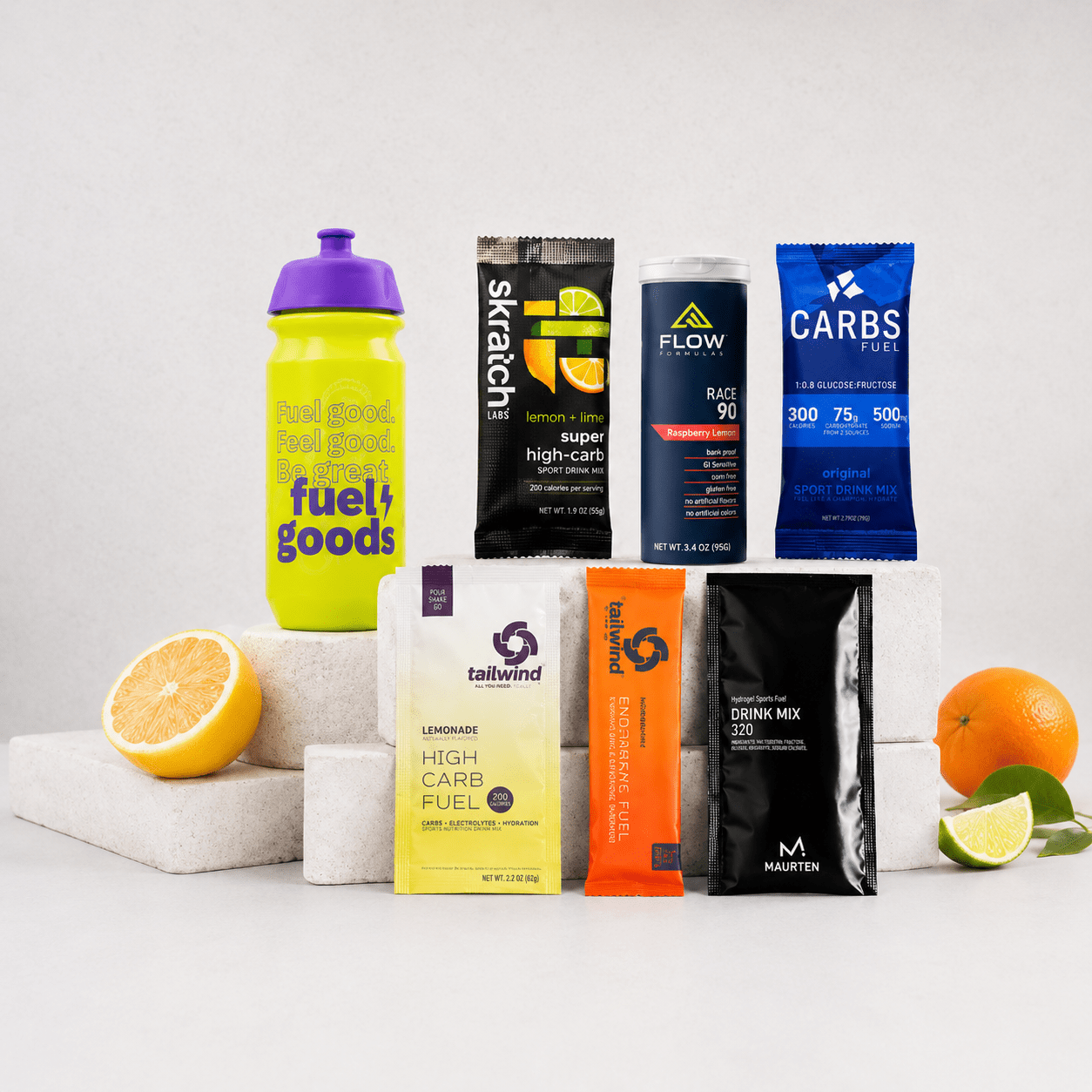
Not sure where to start? The High Carb Sample Bundle lets you try a few options before committing to a full bag. Your long run, your call.