Fueling isn’t something you do once—it’s something you build. Just like your training, your nutrition should be simple, consistent, and part of your everyday rhythm. The more you practice it, the better it feels, and the better you perform.
When you fuel good, you feel good—and when you feel good, you do incredible things.
What We Believe
- Consistency > Perfection: Your body thrives on routine. Small, repeated actions beat one big “perfect” meal every time.
- Carbs = Endurance: They’re your main energy source—don’t skimp.
- Protein = Repair: Recovery starts with every bite.
- Electrolytes = Longevity: Hydration keeps your muscles firing.
- Timing Matters: Fuel early, often, and always practice your plan so race day feels like autopilot.
Common Pitfalls (and How to Avoid Them)
1. Underfueling
You can’t train your body to run on empty. When you don’t eat enough carbs before, during, or after your sessions, your body has no choice but to slow down. Underfueling doesn’t just zap performance—it impacts recovery, mood, and even your hormones. You’ll feel “flat,” cranky, and wonder why the same workout suddenly feels harder.
👉 Fix it: Build fueling into your training plan, not just your race day. If you’re running or riding long, aim for 60–90 grams of carbs per hour. Start early, stay steady.
2. Hydration Gaps
Water alone doesn’t cut it. Sweat isn’t just moisture—it’s salt, potassium, magnesium, and other electrolytes your muscles need to function. Skip them, and you risk cramps, brain fog, and that mid-session fade that feels like hitting a wall.
👉 Fix it: Drink with purpose. Add electrolytes before, during, and after—especially in heat or long workouts. Make it a daily habit, not just a race day scramble.
3. Timing Off
Fueling too early, too late, or not often enough can tank your energy just as quickly as not eating at all. If you’re constantly “bonking” mid-run or getting post-workout headaches, timing is likely the culprit.
👉 Fix it: Think rhythm, not reaction. Small, steady fueling beats big dumps of energy. Take in something every 20–30 minutes once you start moving.
4. Not Training the Gut
Your gut is a muscle too—it needs to be trained. If you only try gels or drink mixes on race day, your stomach won’t know what hit it. Cue side stitches, nausea, or worse.
👉 Fix it: Practice your fueling strategy during every long run or ride. Same products, same timing. That way, on race day, it’s automatic.
5. Carbo-Loading Wrong
Carb-loading isn’t a pasta-eating contest the night before. Overloading one meal can leave you bloated, sluggish, and sleeping poorly.
👉 Fix it: Start topping up your carb stores 2–3 days before the event with consistent, balanced meals. You’ll hit the start line feeling light, fueled, and ready—not stuffed.
6. Changing Nutrition on Race Day
Your body doesn’t like surprises. A new gel flavor or brand might sound fun, but mid-race isn’t the time to experiment. Stress + new fuel = unpredictable results.
👉 Fix it: Use your training to find what works. By race week, your fueling routine should be second nature. No swaps, no stress, no regrets.
The takeaway:
The best athletes aren’t the ones who wing it—they’re the ones who practice fueling like they train. Every time you eat, sip, or refuel, you’re teaching your body what “good” feels like.
Practical Recommendations
Fueling right isn’t just about what you eat—it’s about when and how consistently you do it. Think of this as your fueling rhythm: simple steps you can stack into your daily routine so they become second nature.
2–3 Hours Before: Prime the Engine
Your pre-session meal sets the tone for the day. You’re topping up glycogen and giving your body enough time to digest before go-time.
🍽️ Aim for carbs + a bit of protein, minimal fat.
Try:
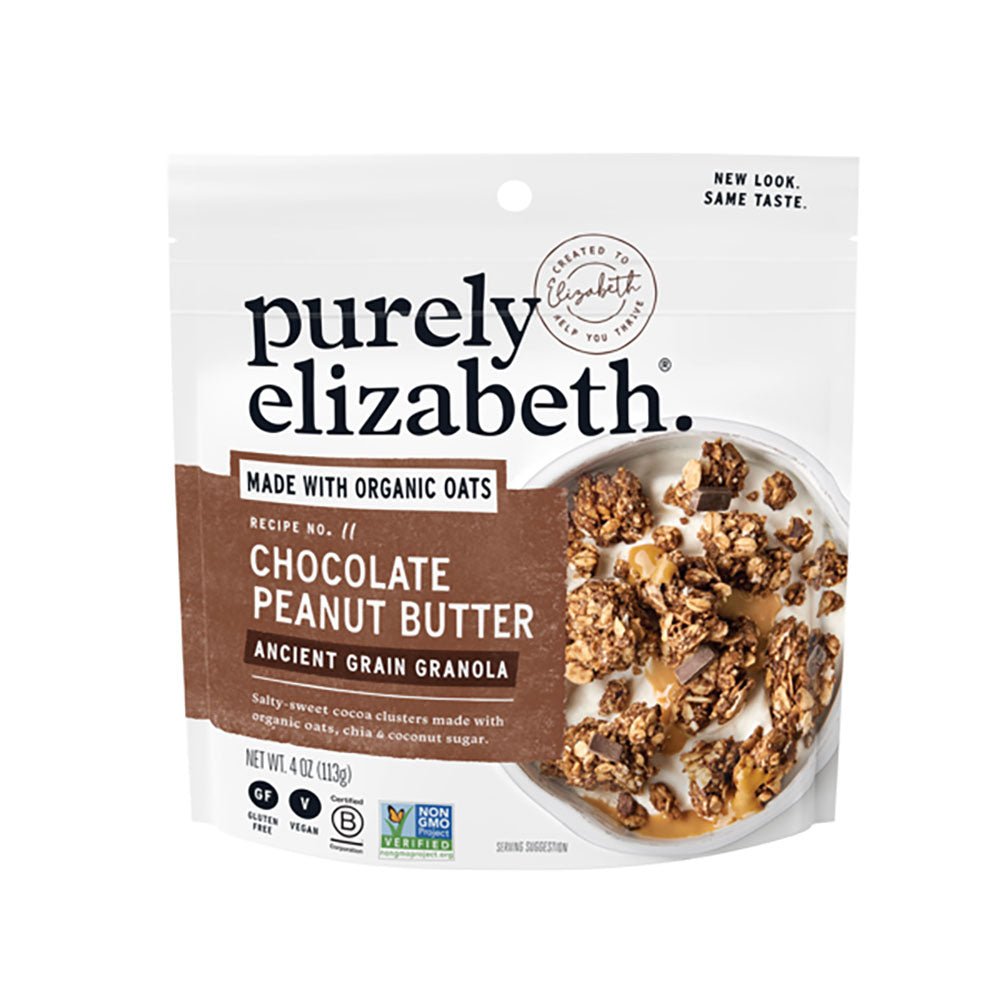
- Oats with peanut butter and banana
- Toast with egg whites
- Smoothie with berries, oats, and protein powder
👉 Habit tip: Eat roughly the same style of pre-workout meal for every key session. You’re training your stomach, not just your legs.
30 Minutes Before: Top It Off
Just before you start, you’re looking for fast energy that’s easy to digest.
⚡ Quick carbs + hydration.
Think:
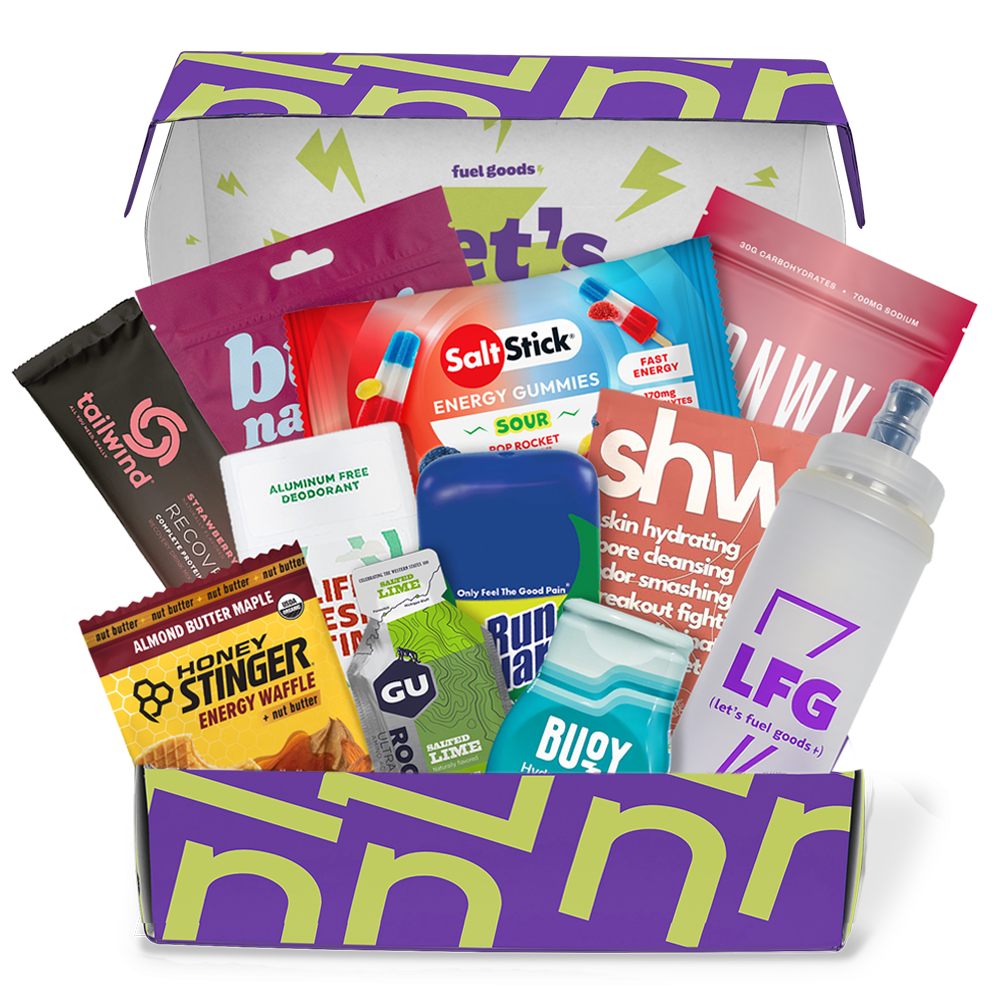
- Waffles (Honey Stinger, GU, Untapped)
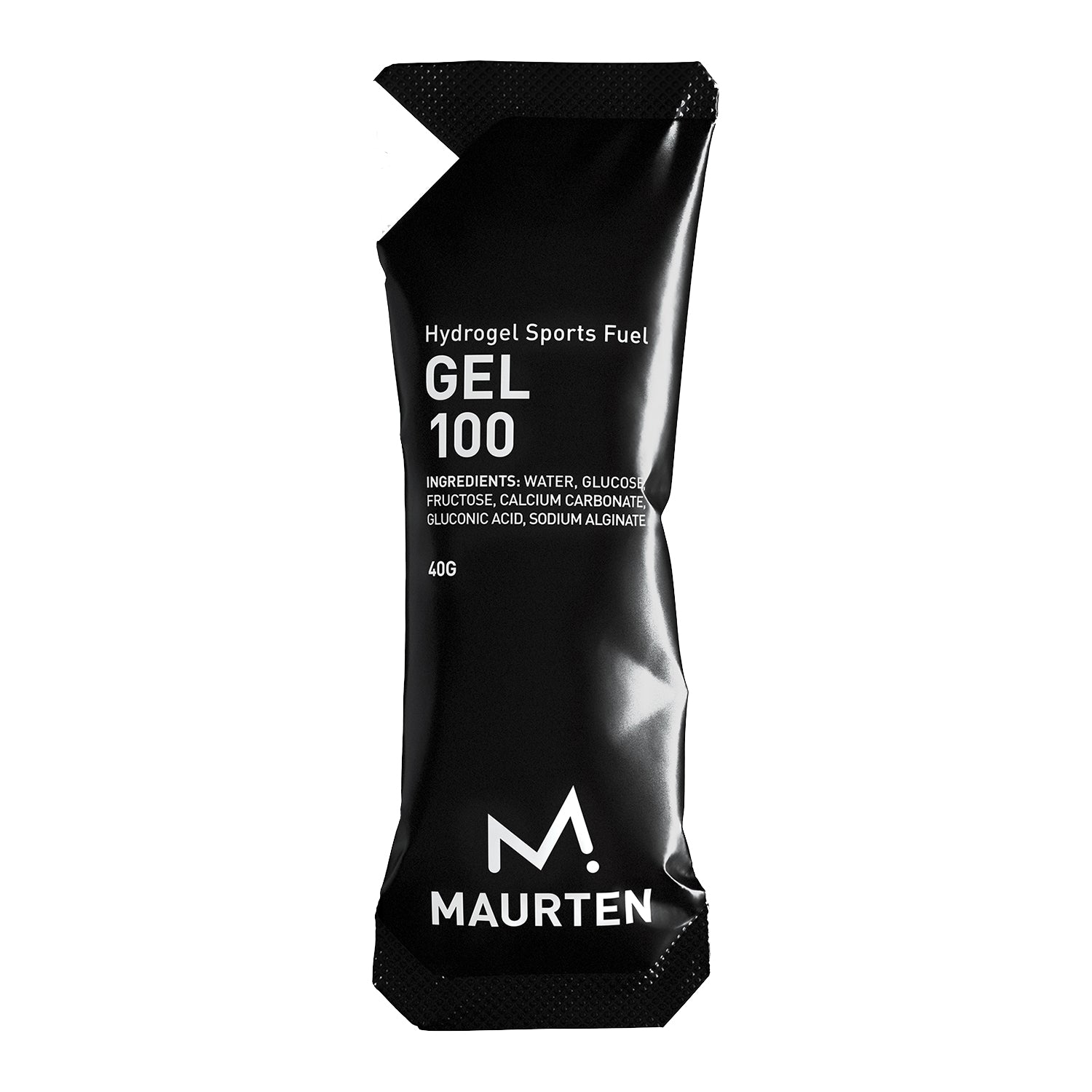
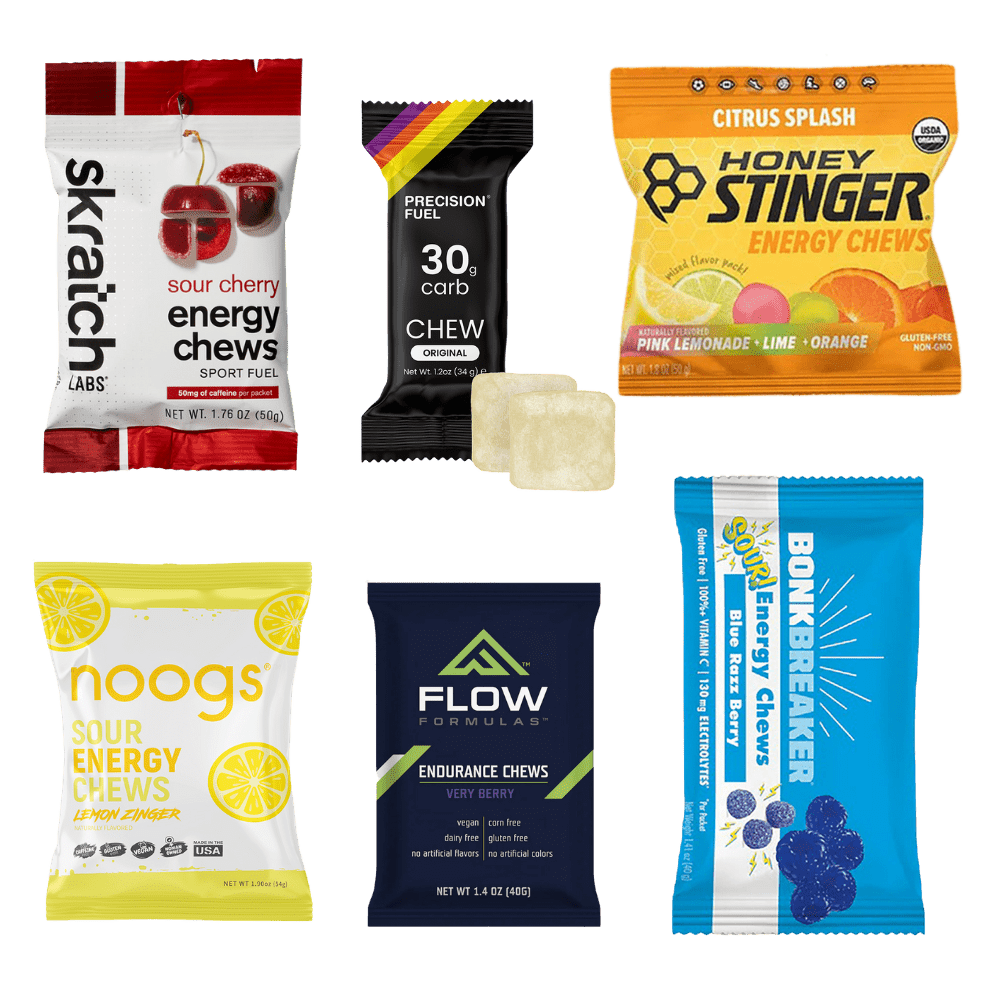
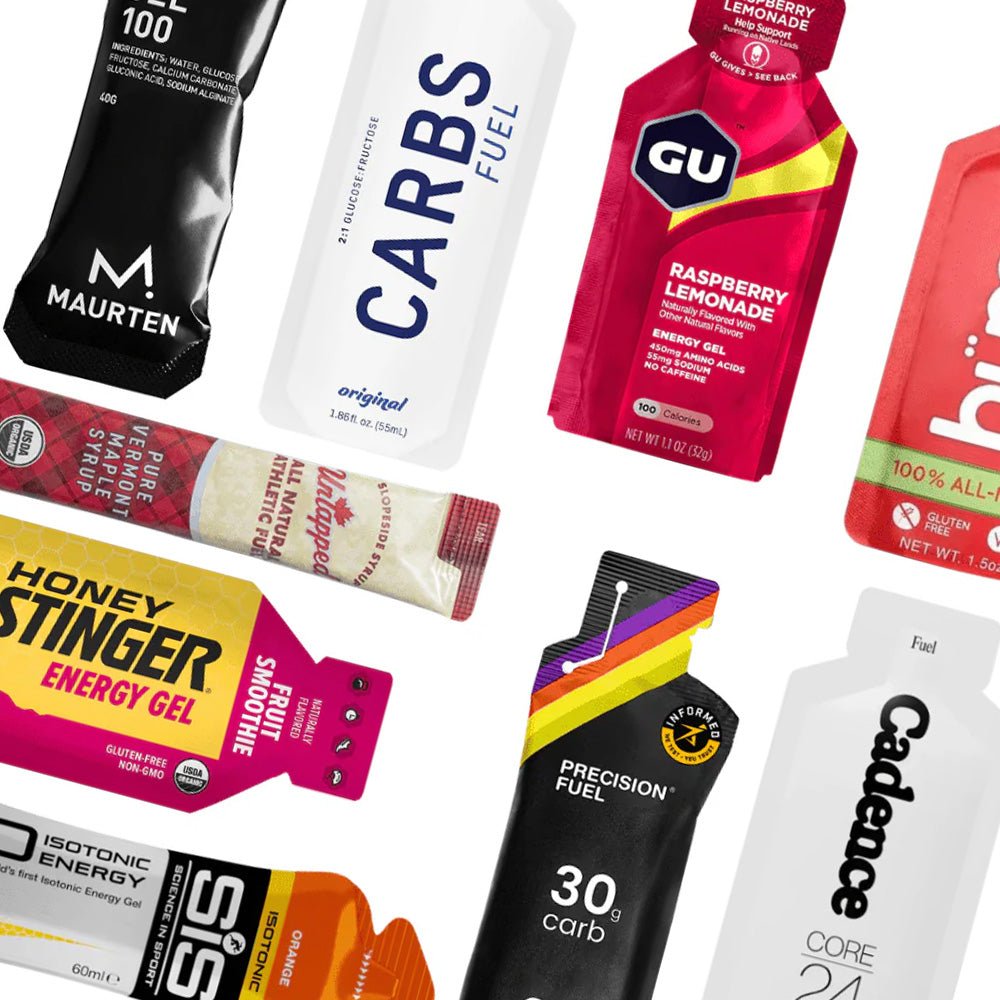
- A few chews or a gel
- Water + electrolytes
👉 Habit tip: Make this part automatic—set your gel or waffle next to your shoes so you never forget.
During: Keep the Tank Steady
If you’re going 60–120+ minutes, fuel early and often. Don’t wait to feel empty.
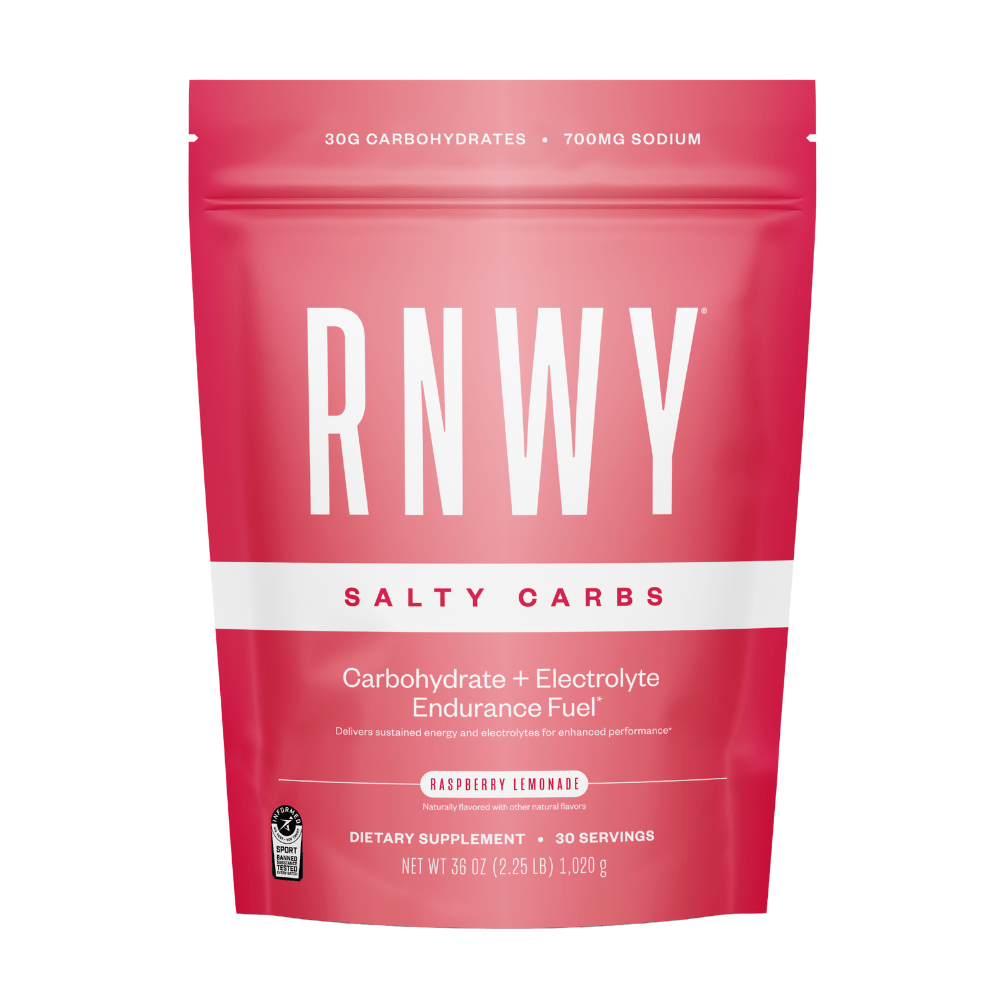
- ⏱️ 60–90g carbs/hour, ideally something every 20–30 minutes.
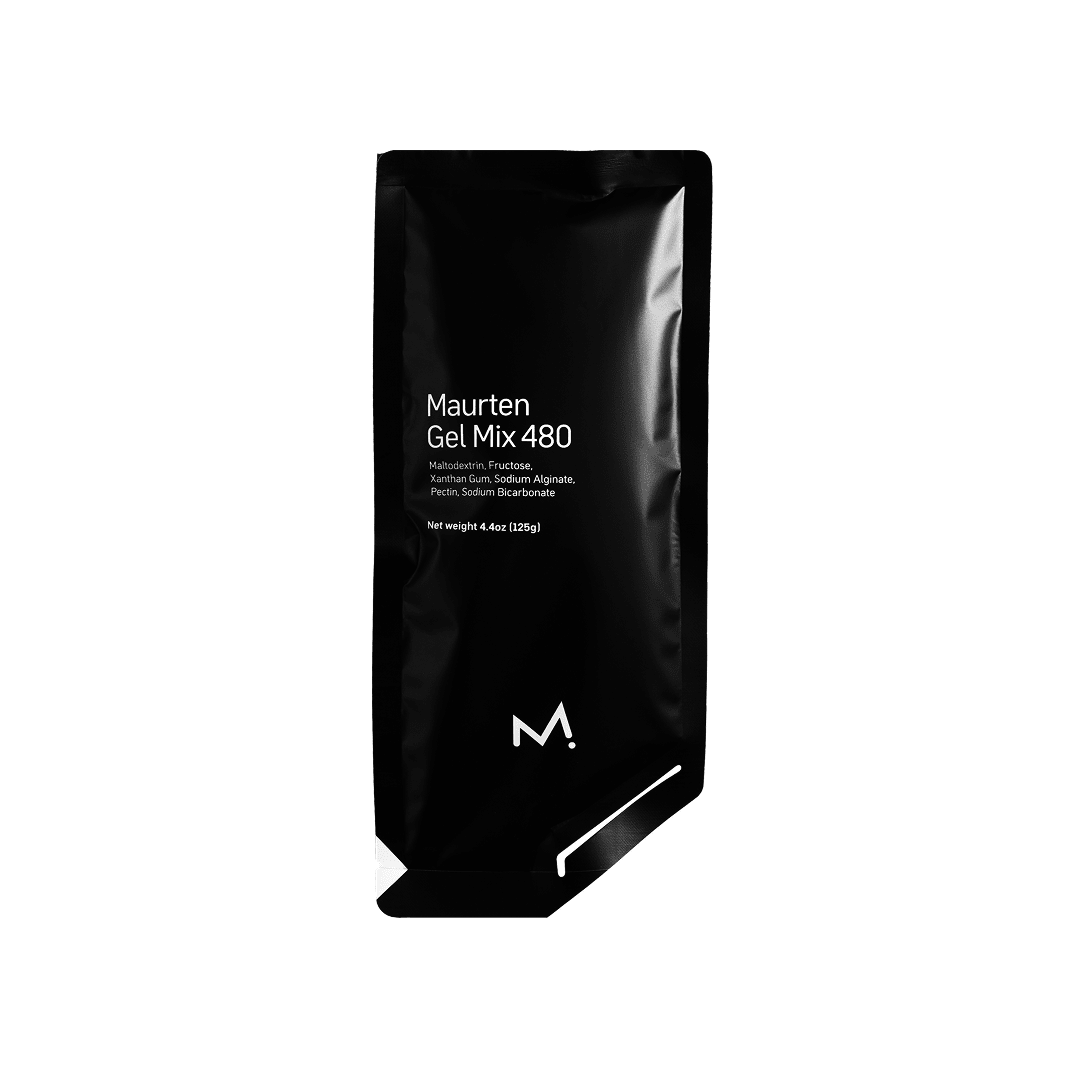
- Rotate between gels, chews, and drink mixes.
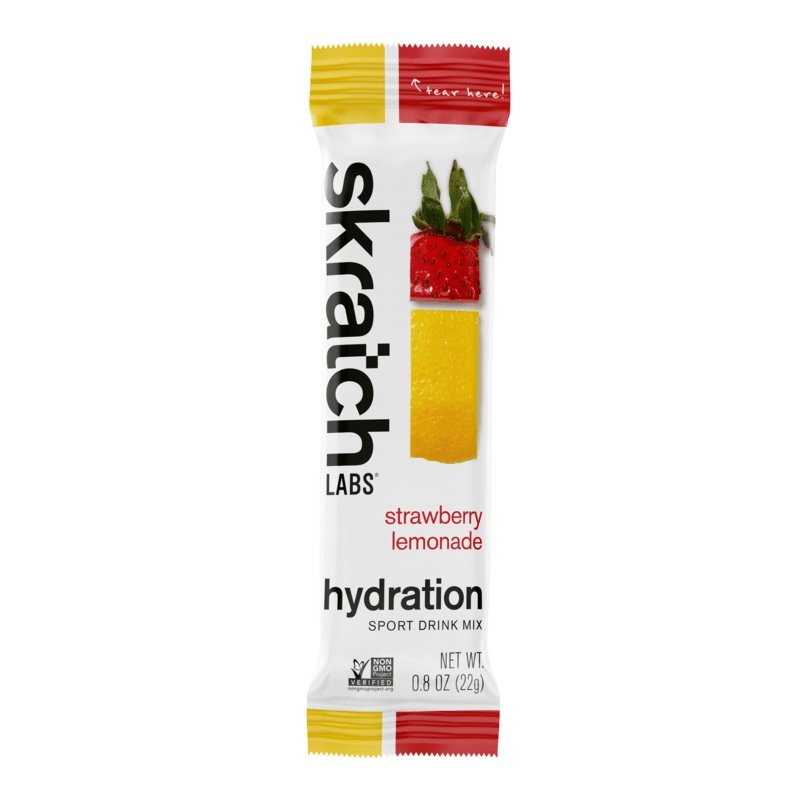
- Add electrolytes consistently—hydration is performance insurance.
👉 Habit tip: Set your watch to buzz every 25 minutes as your “fuel alarm.” Your future self will thank you.
After: Refuel to Rebuild
You’re not done when you stop moving—your recovery window matters. Within 30–40 minutes, replenish both carbs and protein to restock glycogen and repair muscle.
🥤 Ideal combo: Carbs + 20–30g protein.
Examples:
- Whey or plant protein shake + carbs
- Momentous Whey Protein + Skratch Recovery
👉 Habit tip: Keep your recovery shake ingredients prepped. Make it part of your cooldown routine.
Fuel Goods Habits We Swear By
Supplements
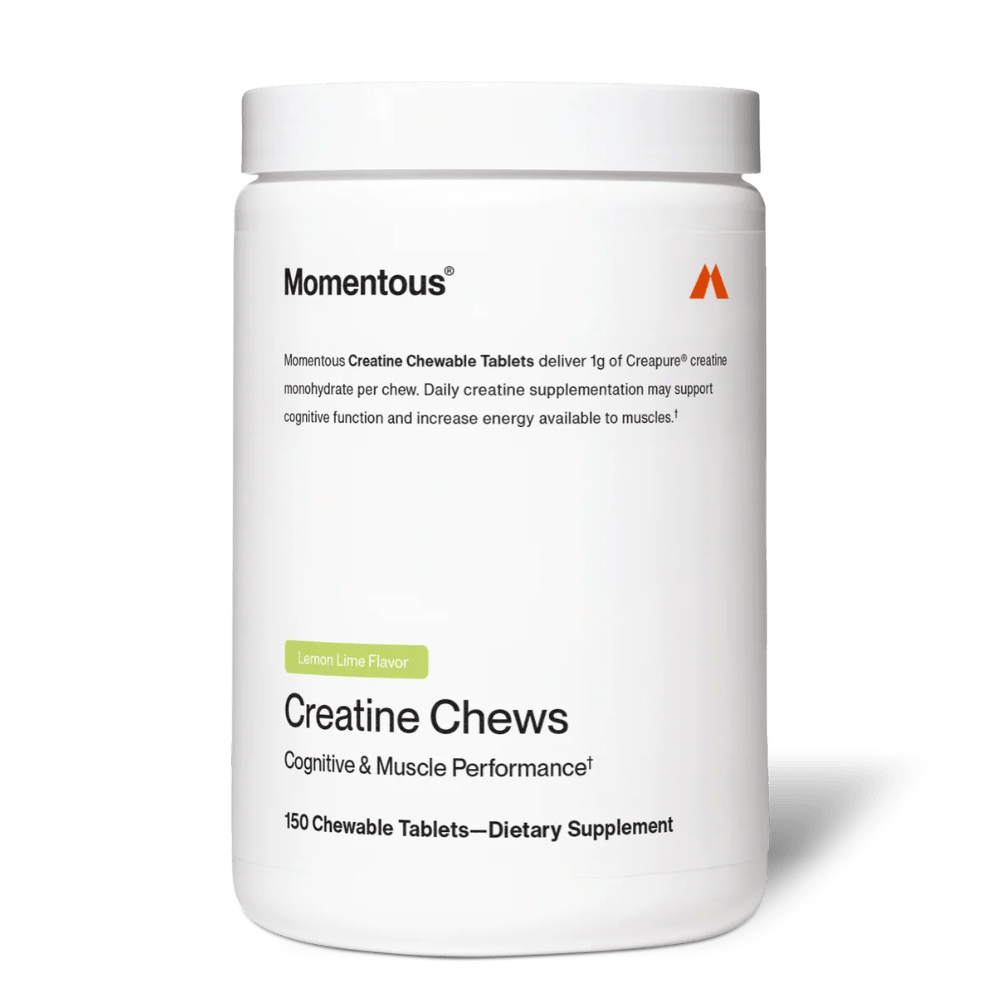
Creatine (3–5g daily)
Creatine isn’t just for gym bros—it does wonders for endurance athletes. It helps your body recycle ATP (your muscles’ energy currency), which means you can push harder for longer and recover faster between efforts. Think of it as a battery booster for your cells.
Over time, it supports muscle strength, reduces fatigue during hard efforts, and even improves cognitive focus when you’re deep into a long session.
👉 How to use it: Take it daily, not just on workout days. Mix 3–5g into your morning smoothie, coffee, or recovery shake—consistency is what unlocks the benefits.
Tart Cherry Juice (1 serving of Cheribundi at night)
Tart cherry juice is nature’s recovery tonic. It’s packed with antioxidants and naturally occurring melatonin—meaning it helps your body wind down, sleep deeper, and repair better.
Studies show it can reduce muscle soreness, inflammation, and even improve sleep quality after tough training blocks. It’s small, but mighty: one nightly habit that keeps recovery compounding.
👉 How to use it: Sip a serving about an hour before bed. It’s your signal to slow down, recover, and let your body do its work.
Sleep
Without quality sleep, none of the above matters. Sleep is where your body repairs, rebuilds, and adapts—it’s the final piece of the fueling puzzle. You can’t out-fuel bad sleep.
Consistency
The secret sauce. Practice your plan in training, rotate fuel formats (bars, gels, powders), dial in your timing, and repeat until it’s automatic. The more you practice, the better your body absorbs and responds.
Example of a “Fuel Good” Day
- Breakfast: Oats + banana + protein powder
- Workout (90 min): 1–2 gels, 1 pack chews, electrolytes (~60g carbs/hr)
- Post-workout: Recovery shake (25g carbs + 25g protein) + 3–5g creatine
- Lunch/Dinner: Balanced meals with whole grains, lean protein, healthy fats, and veggies
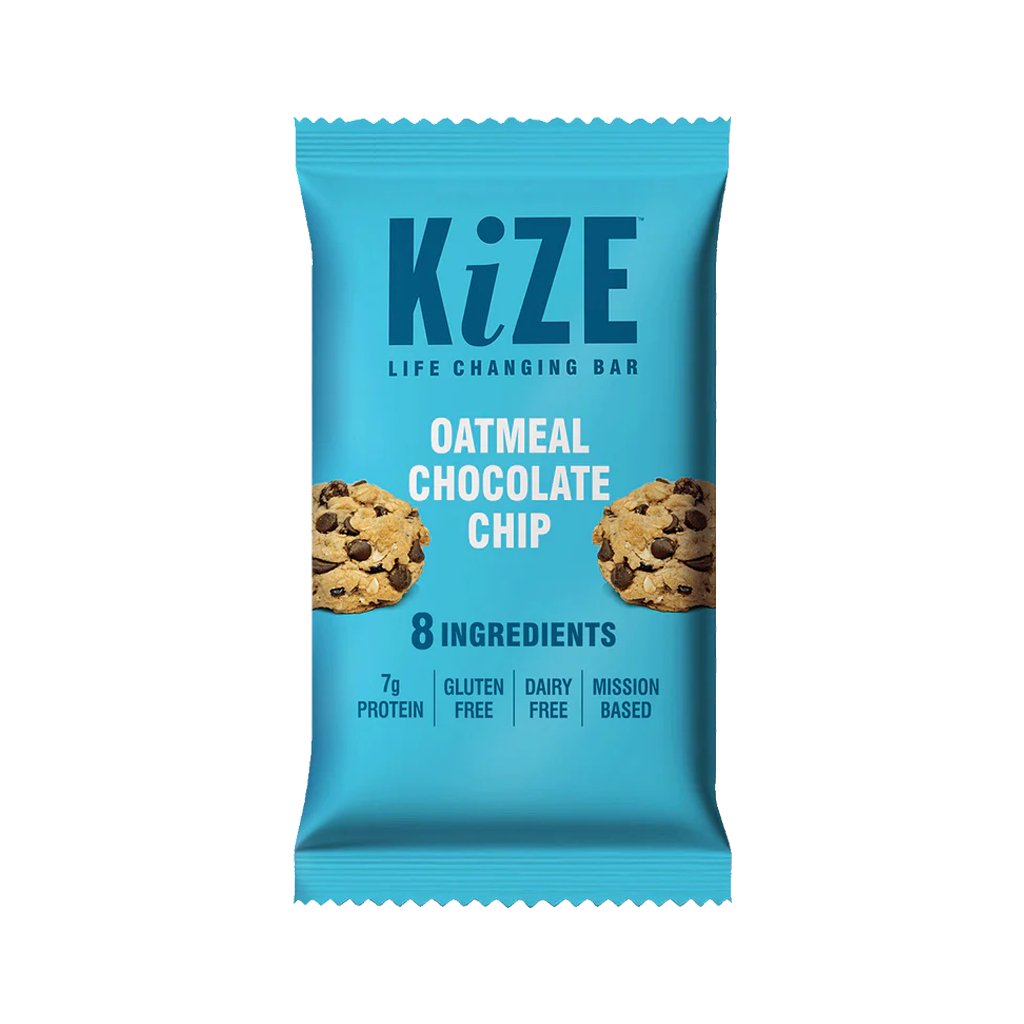
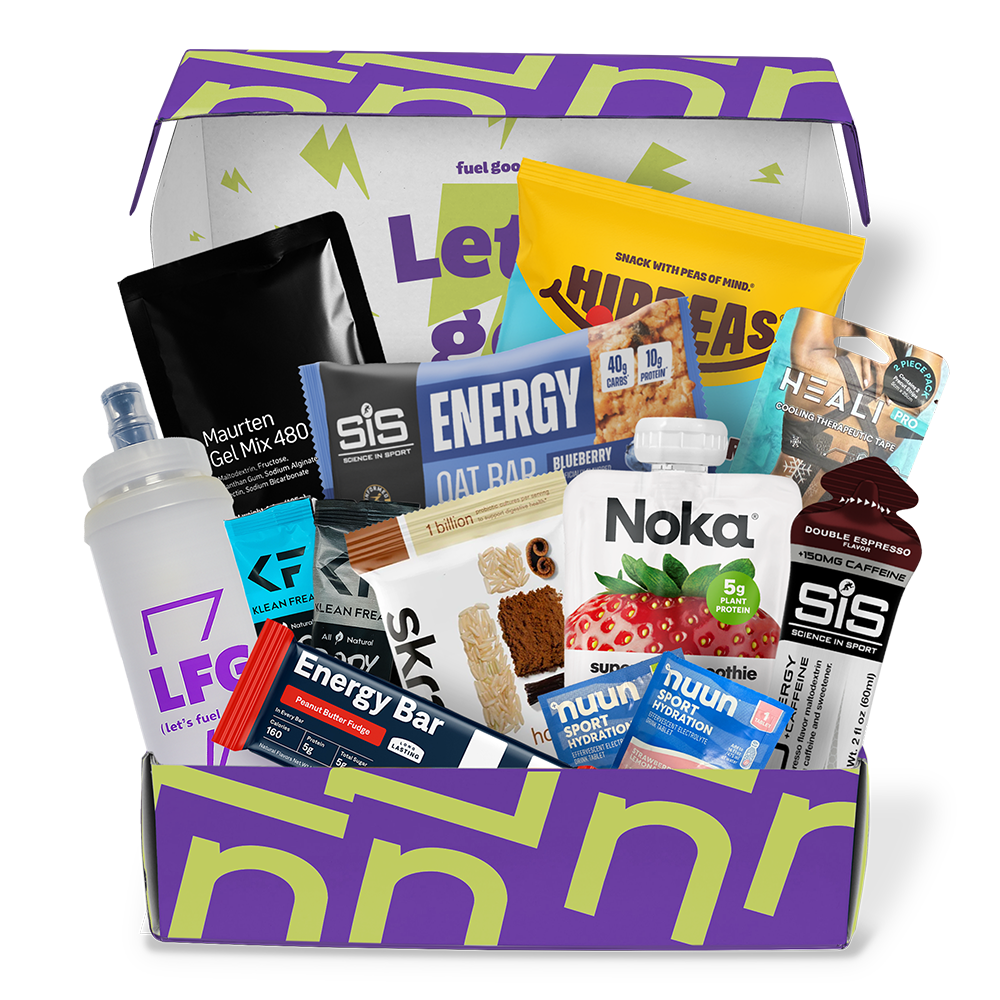
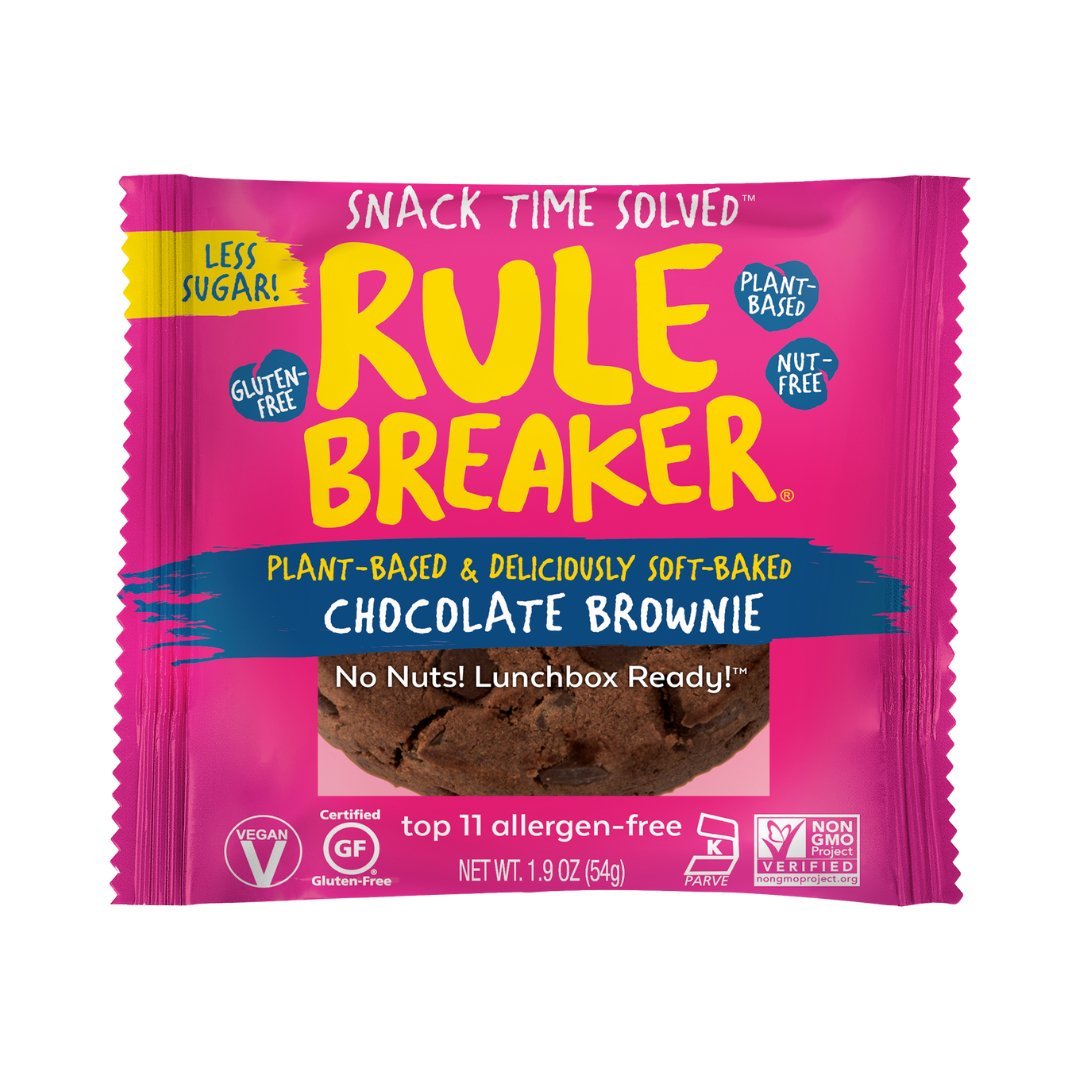
- Snacks: Protein + carb combo (e.g., Rule Breaker Brownie, REUP, Prevail Jerky, AMG Bites, etc.)
- Evening: Tart cherry juice + solid sleep
💡 Fuel Good → Feel Good → Be Great → Repeat.
When fueling becomes a habit, energy becomes effortless—and consistency turns into greatness.
🕑 2–3 Hours Out: Why and How Much
Targets:
- Carbs: 0.45–1.35 grams per pound of body weight (for example, if you weigh 143 lb, we’d recommend ~70g of carbs, which is equal to around 2 pieces of sourdough toast or 1.5 cups of oatmeal).
- Protein: ~15–20g (1 scoop of protein powder, a couple of eggs, etc.).
- Fat: Keep minimal (<10g if possible). Be cautious of nut butters and dairy products that carry fat, as this can be extra stress on your gut.
Why fuel 2–3 hours before?
That window gives your body enough time to digest, absorb, and store energy as glycogen in your muscles and liver. It means:
- You start your session topped up, not still digesting food.
- You avoid mid-session stomach issues.
- Your blood sugar is stable going in—no spikes or crashes.
If you skip this meal and only “carb up” 30 minutes before, you’re relying on quick energy instead of stored energy. That might cover your warm-up, but it won’t sustain you for long or intense sessions.
⚡ 30 Minutes Out: Quick Energy
Target:
This isn’t the time to frontload your full 60–90g/hour plan. Instead, aim for around 20–30g of fast carbs (a gel, waffle, or couple of chews) + half a sachet of hydration/electrolytes.
That jump-starts your blood glucose so you don’t dip early—but you’ll still start fueling regularly once the workout begins.
Then, once you’re moving, you continue with the 60–90g of carbs per hour, broken into small doses every 20–30 minutes. Think of the pre-fuel as a warm-up for your stomach as much as your muscles.
💧 Electrolytes: How Much and How Often
Before/during/after workouts: Yes—but not every glass of water all day.
Here’s the breakdown:
- Before training: 300–500mg sodium (roughly one serving of most electrolyte mixes)
- During: 400–800mg sodium/hour (more in heat or for heavy sweaters—do you get leftover salt residue on your clothes after your workout? Aim for the higher end.)
- After: Sip one serving of electrolytes in the couple of hours post-workout.
Outside of workouts, plain water is fine for regular hydration—especially if your meals include some salt.
Too many electrolytes can lead to bloating or excess sodium intake, so use them strategically around training and heat, not constantly.
The TL;DR
Fueling well doesn’t have to be complicated—it just has to be consistent. Start simple, practice often, and build habits your body can trust. Because when you fuel good, you feel good. And when you feel good? You show up bigger, stronger, and more ready for whatever’s ahead.